

Overview
The EU Agencies Network (EUAN) follows a clear governance model that helps members collaborate, take decisions, and deliver results efficiently. The model combines strategic leadership, operational coordination, and thematic cooperation across the Network.
Key bodies include:
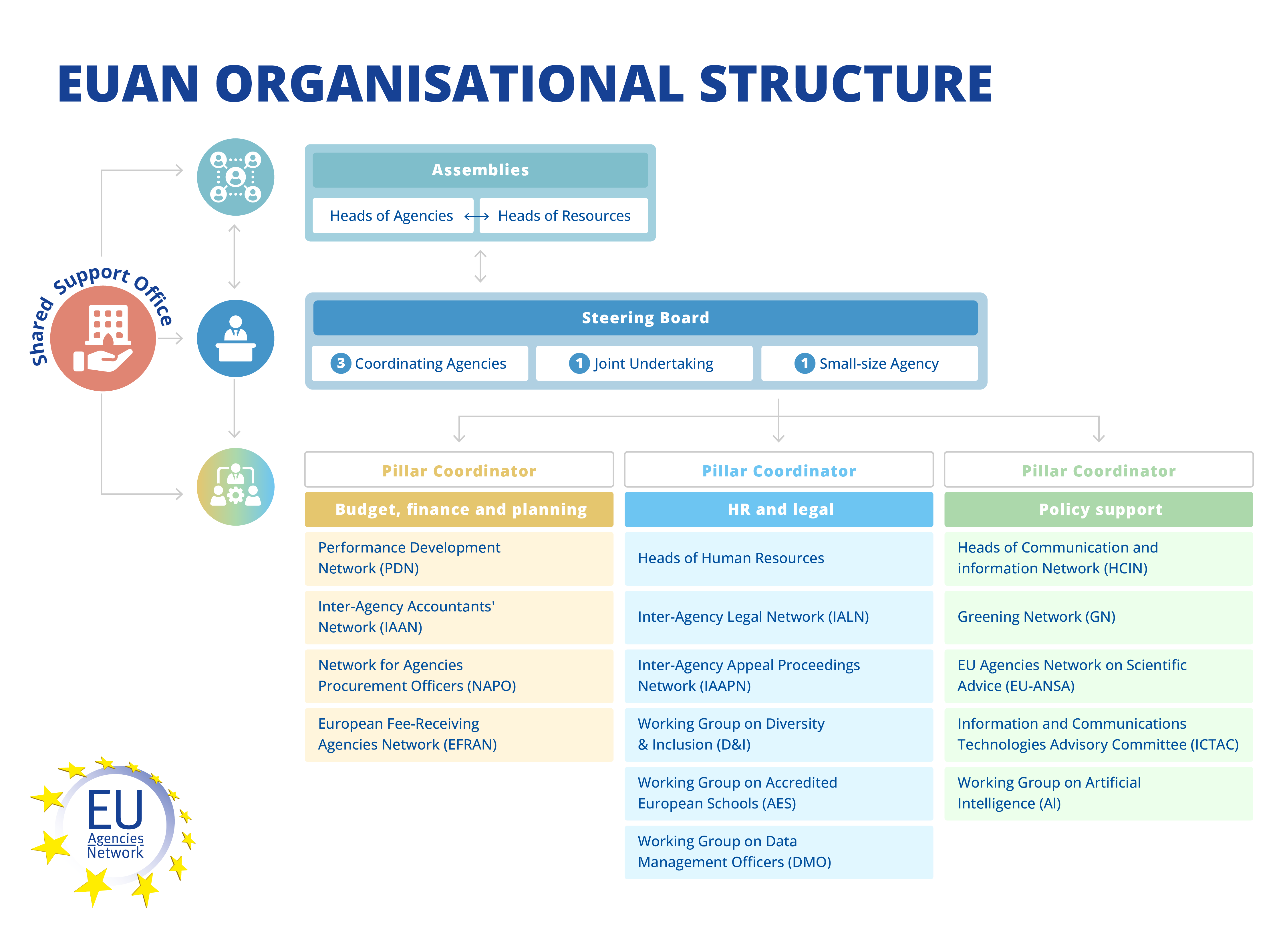
The Coordinating Agency and the Steering Board
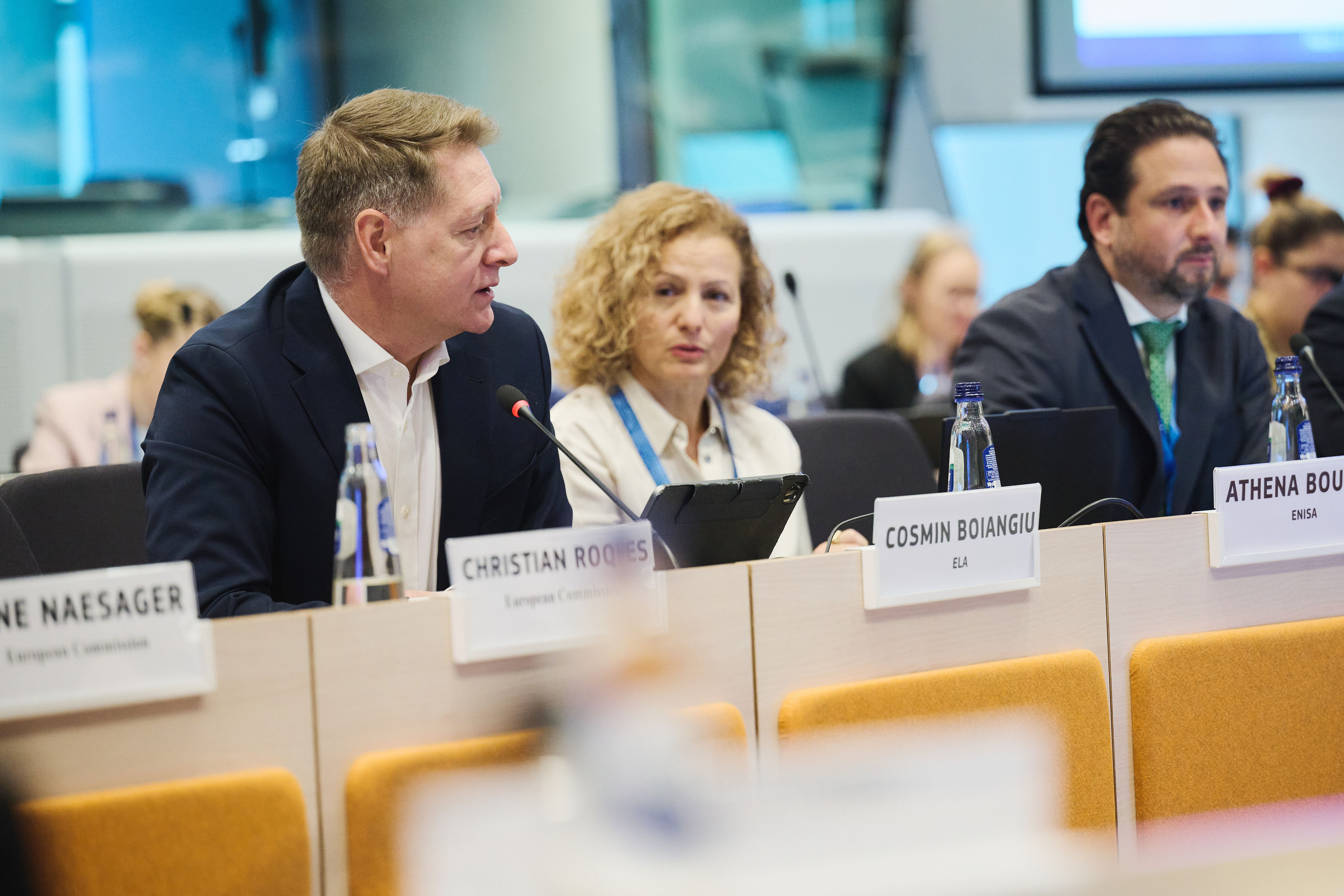
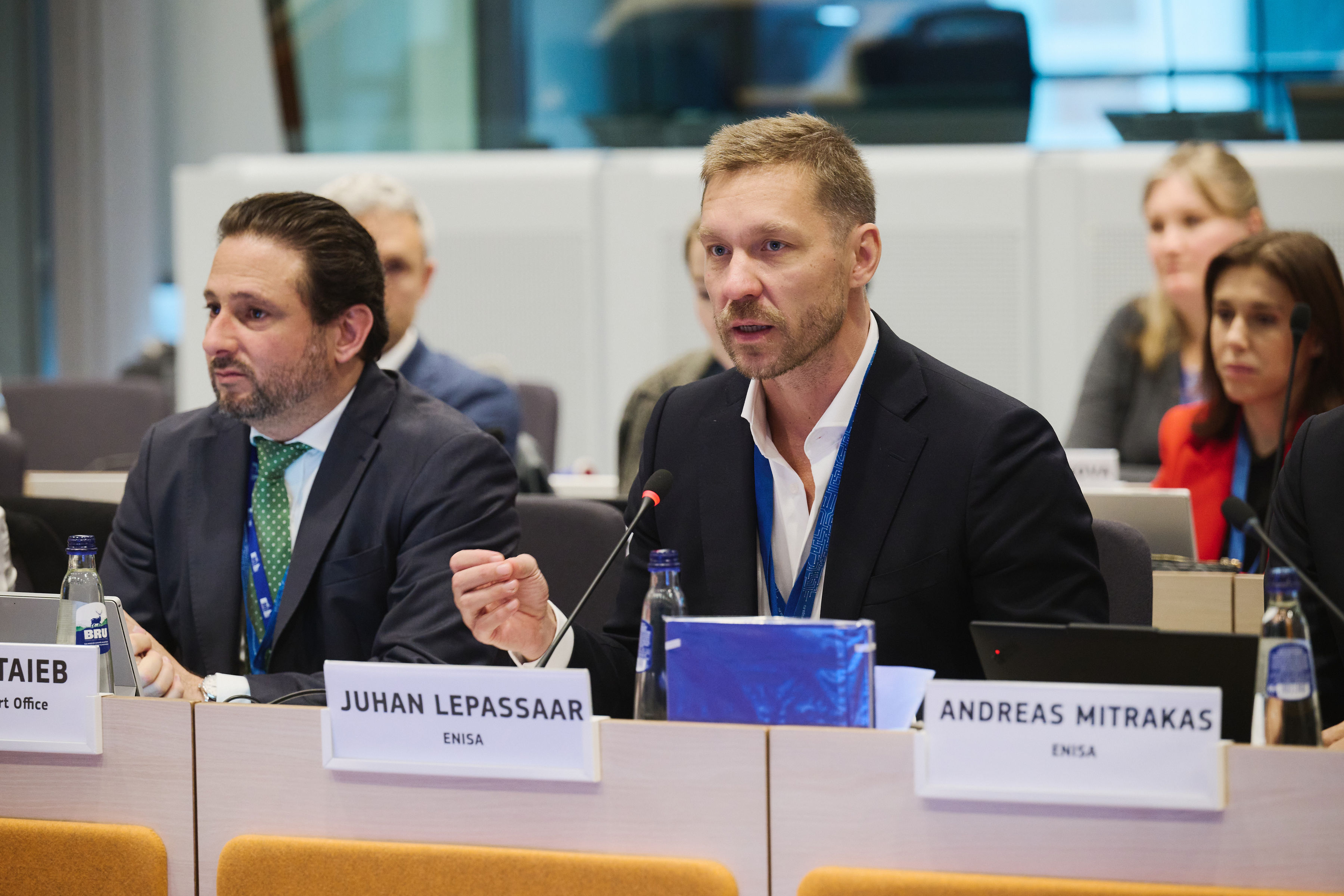
EUAN is chaired each year by a Coordinating Agency, which sets priorities, convenes meetings and represents the Network externally. The EU Agency for Cybersecurity (ENISA) took over coordination on 1 March 2025. European Labour Authority (ELA) is due to take on the role in March 2026.
The Steering Board supports continuity by bringing together the past, present and future Coordinating Agencies alongside a small Agency and a Joint Undertaking.
Governing assemblies
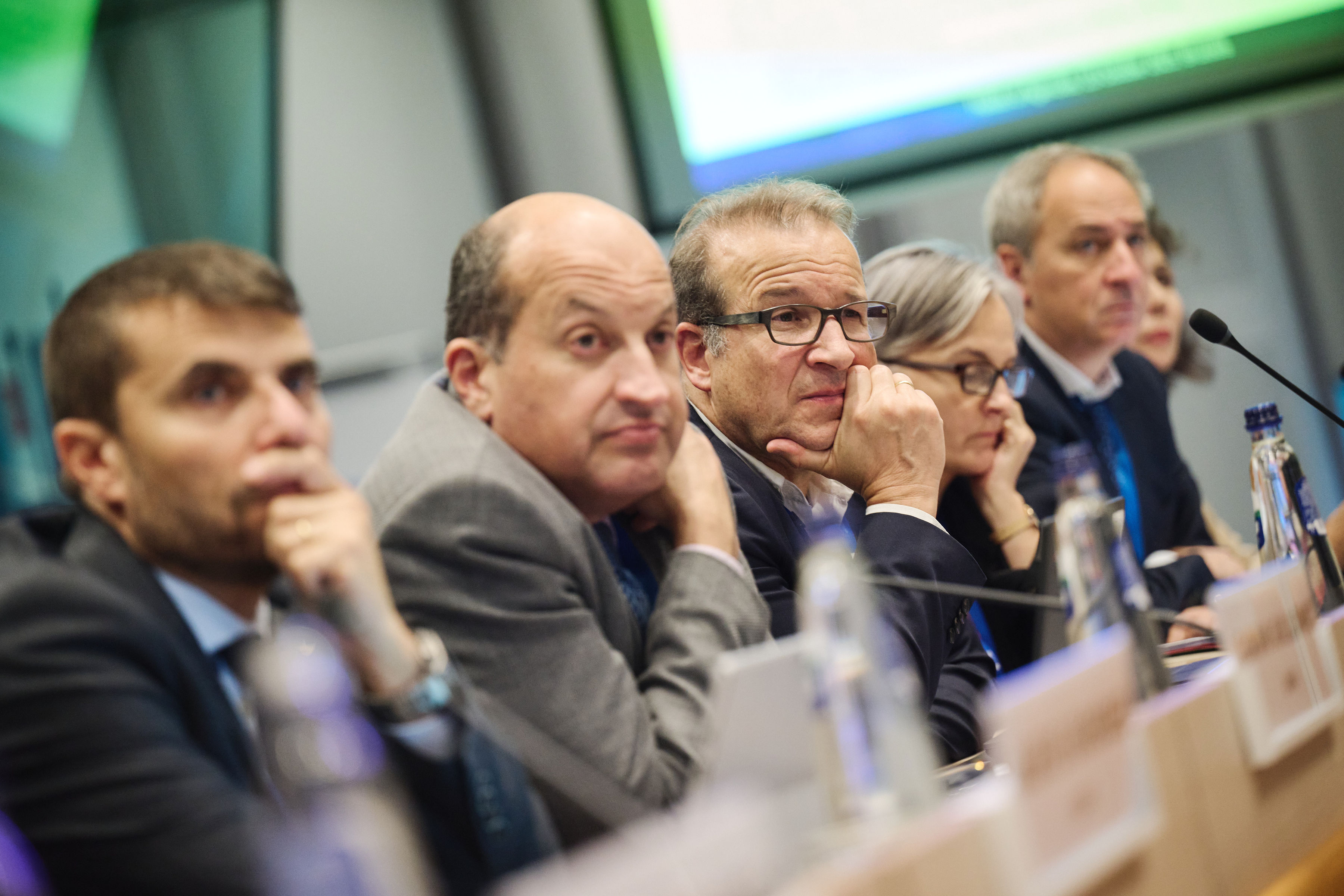
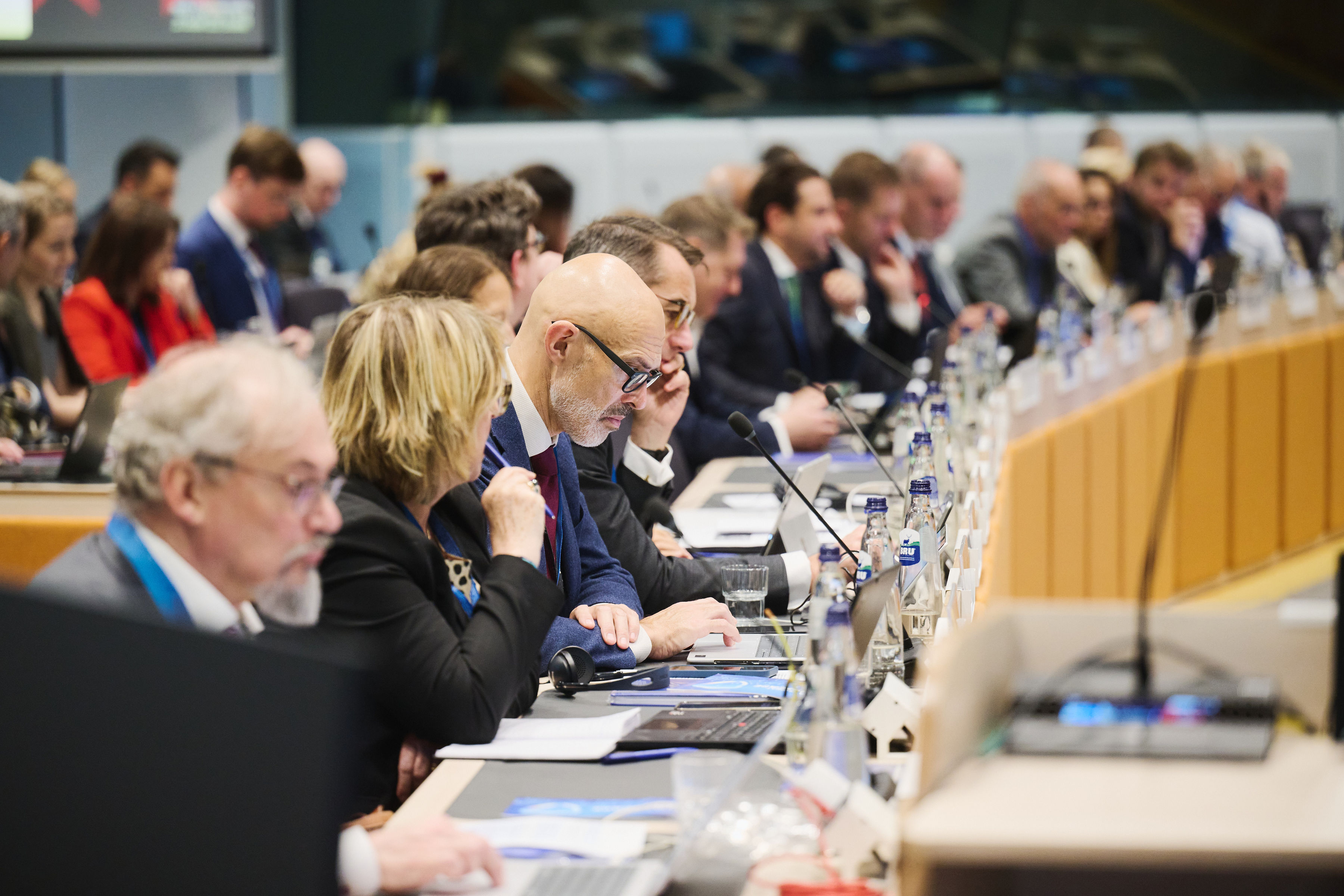
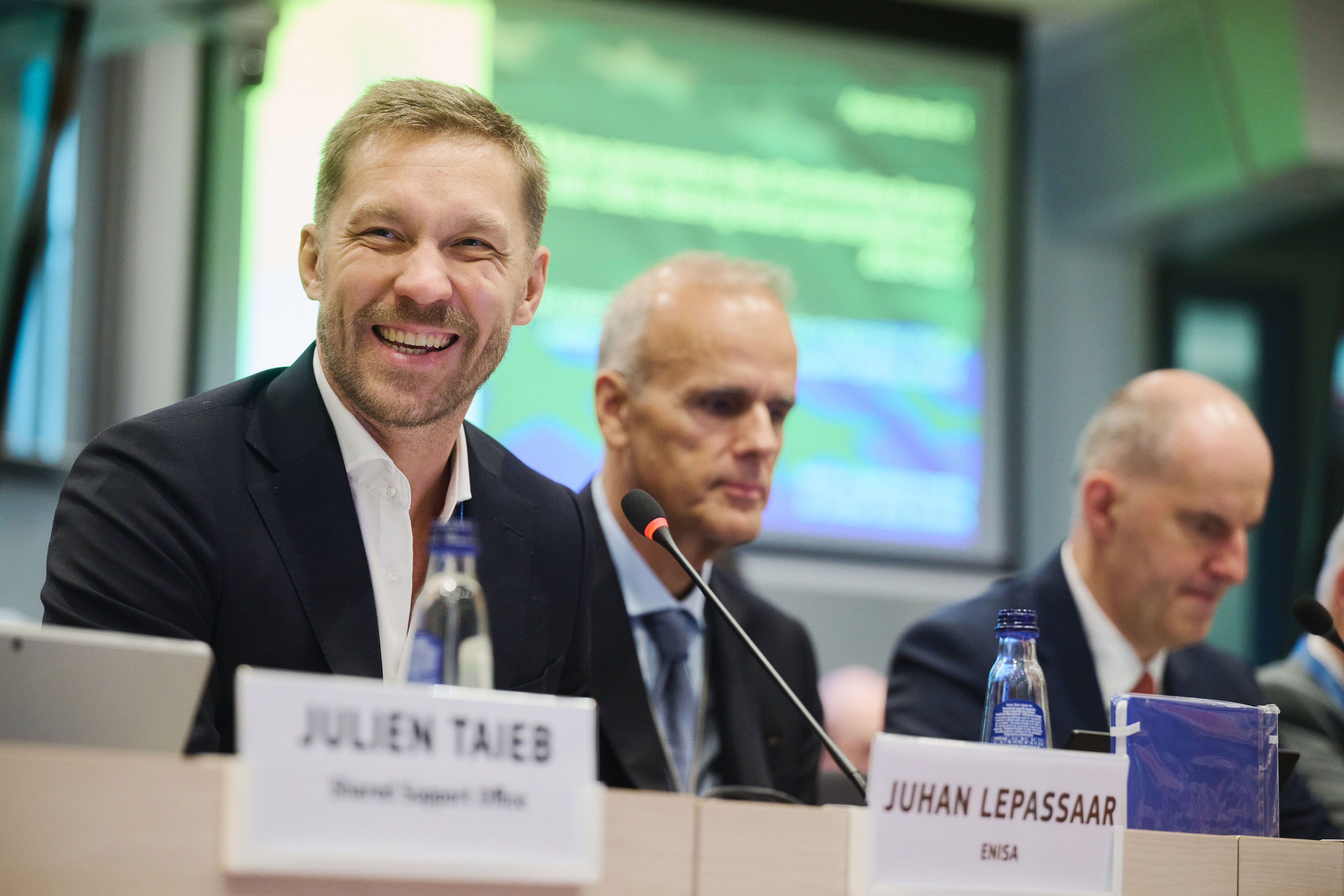
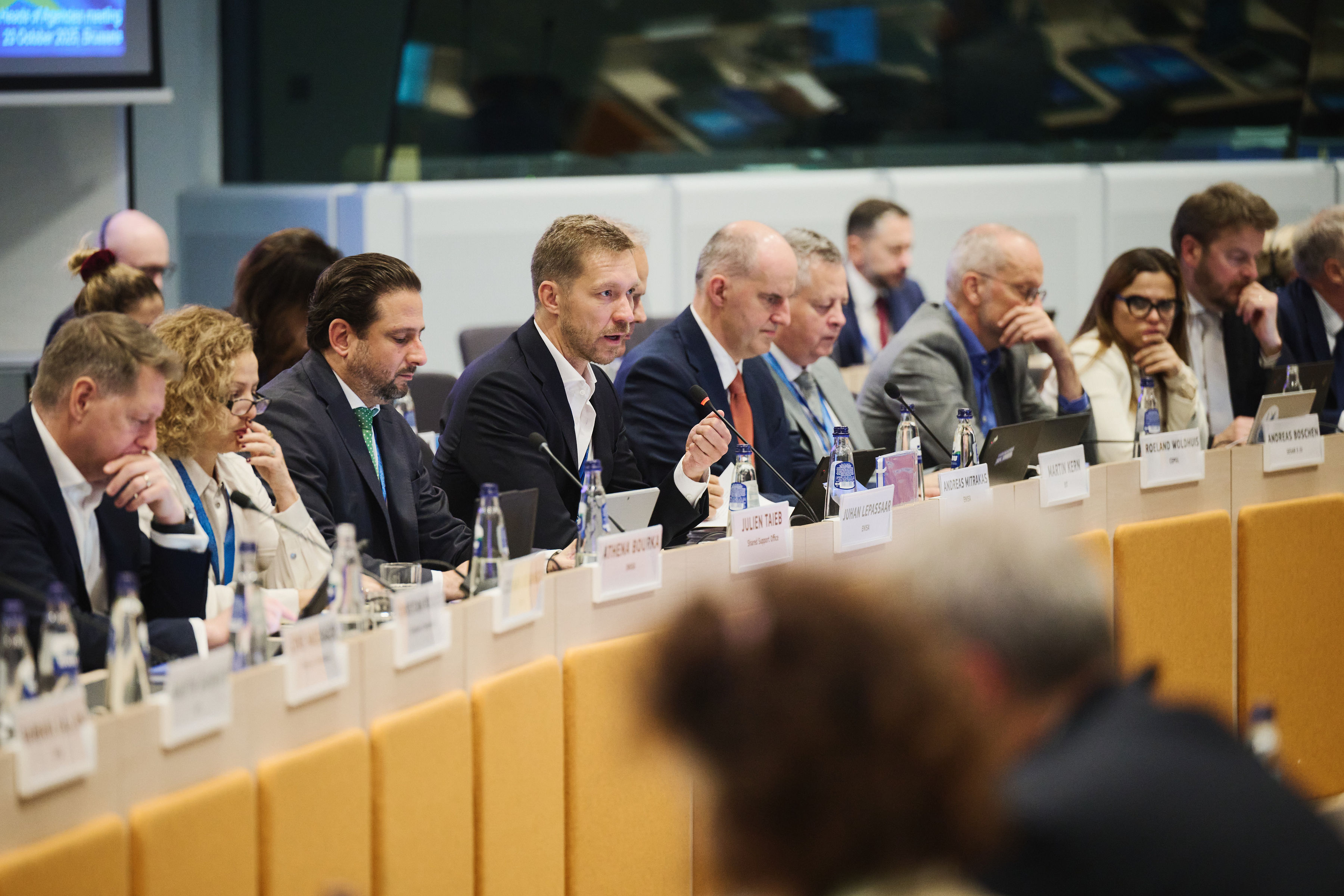
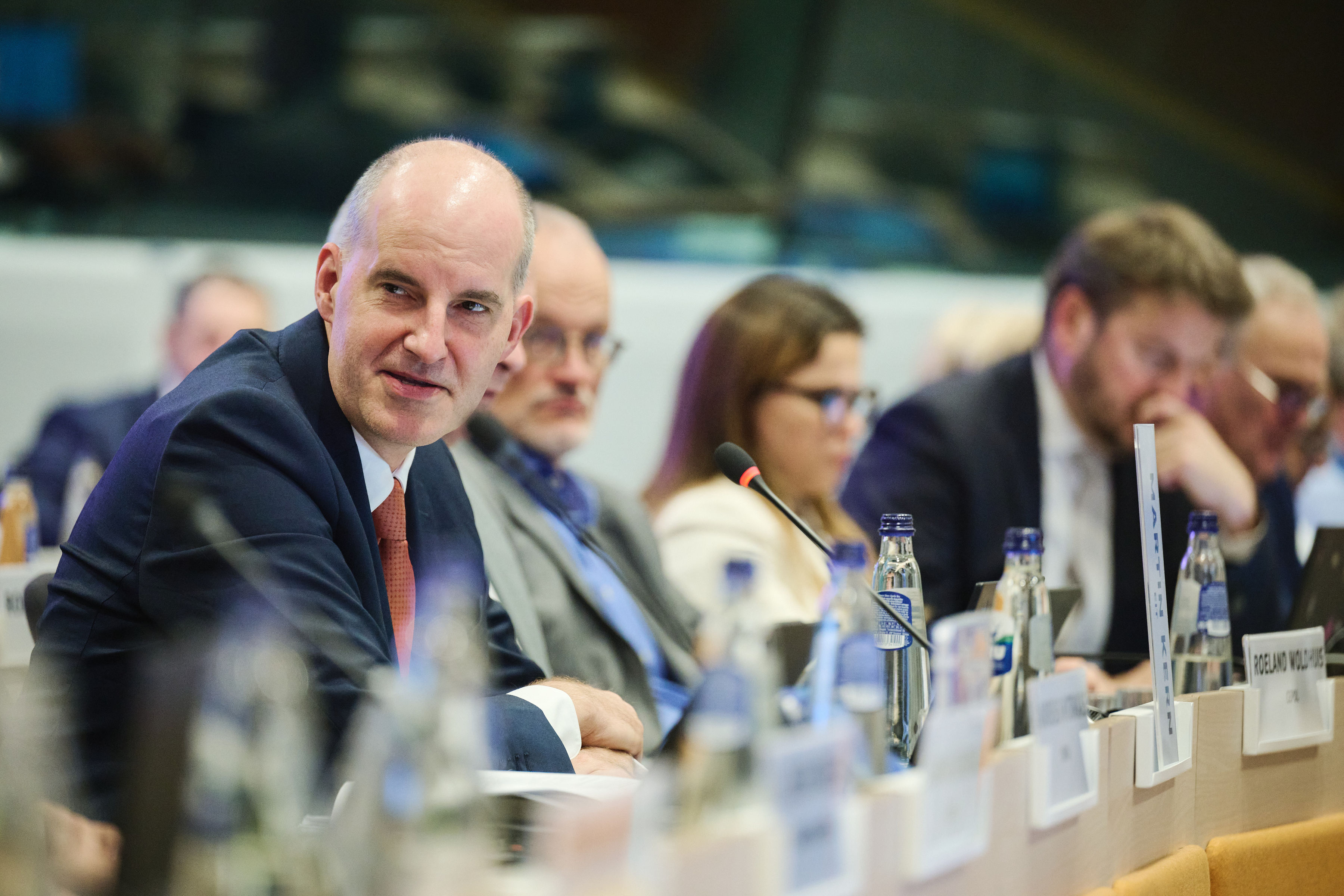
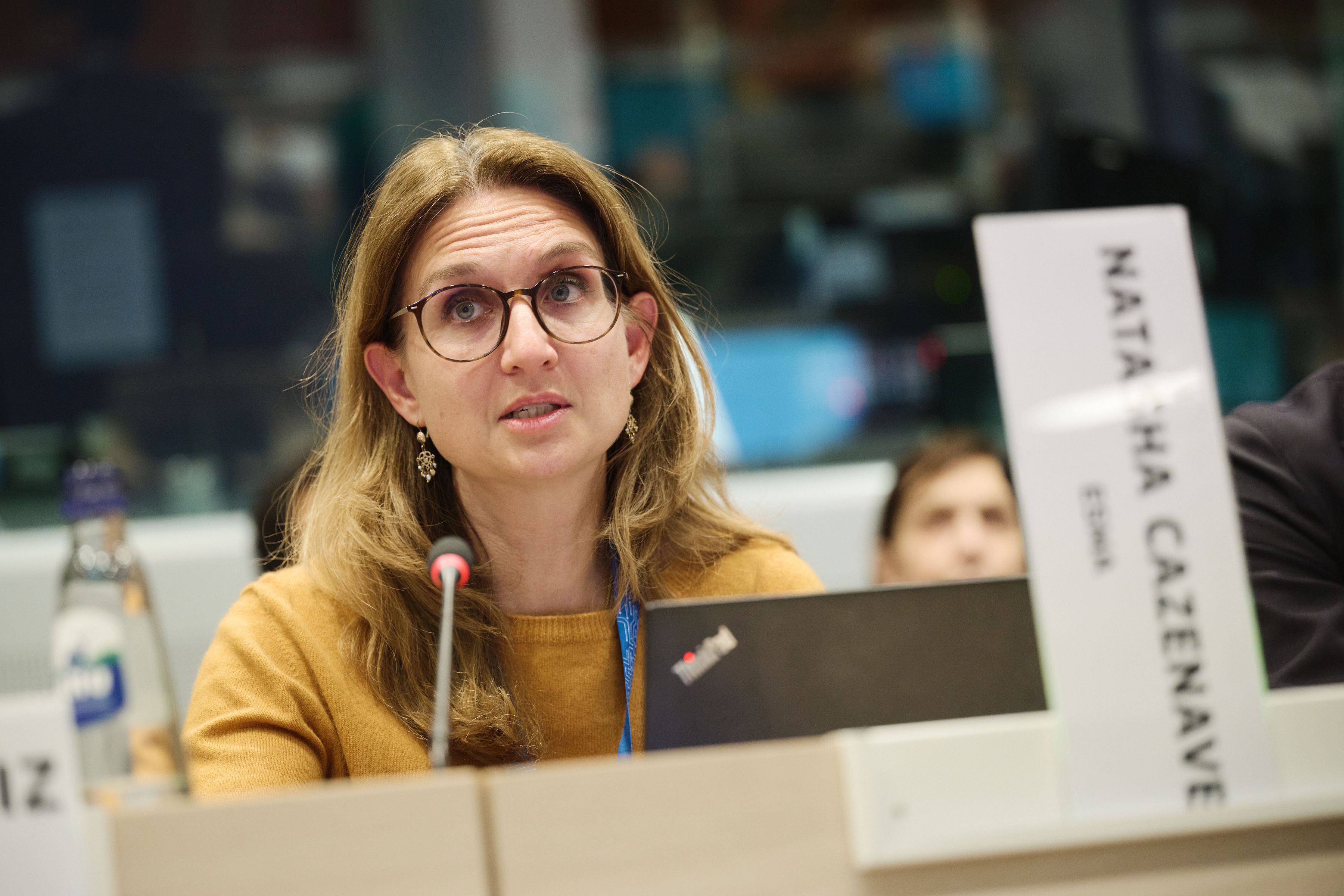
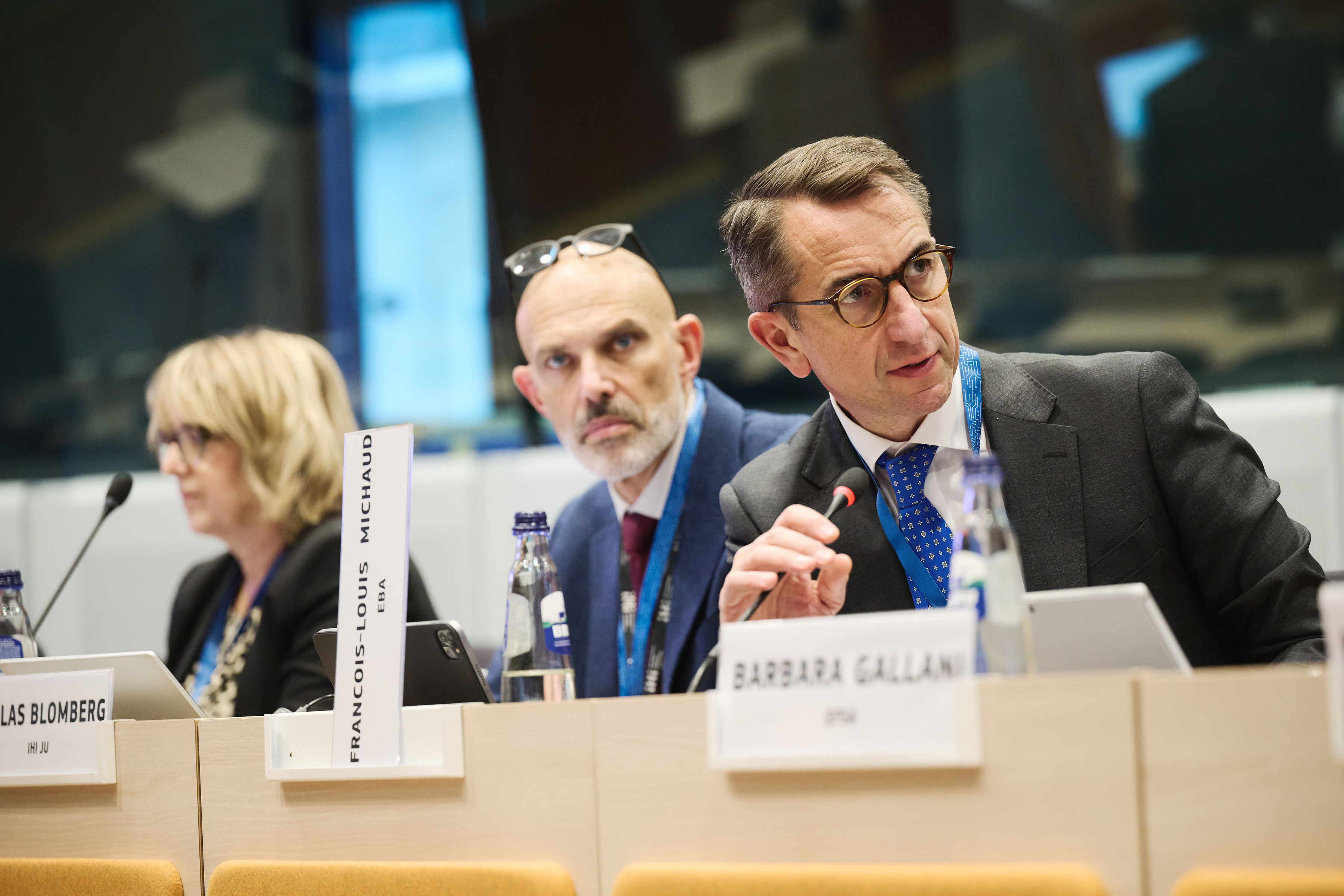
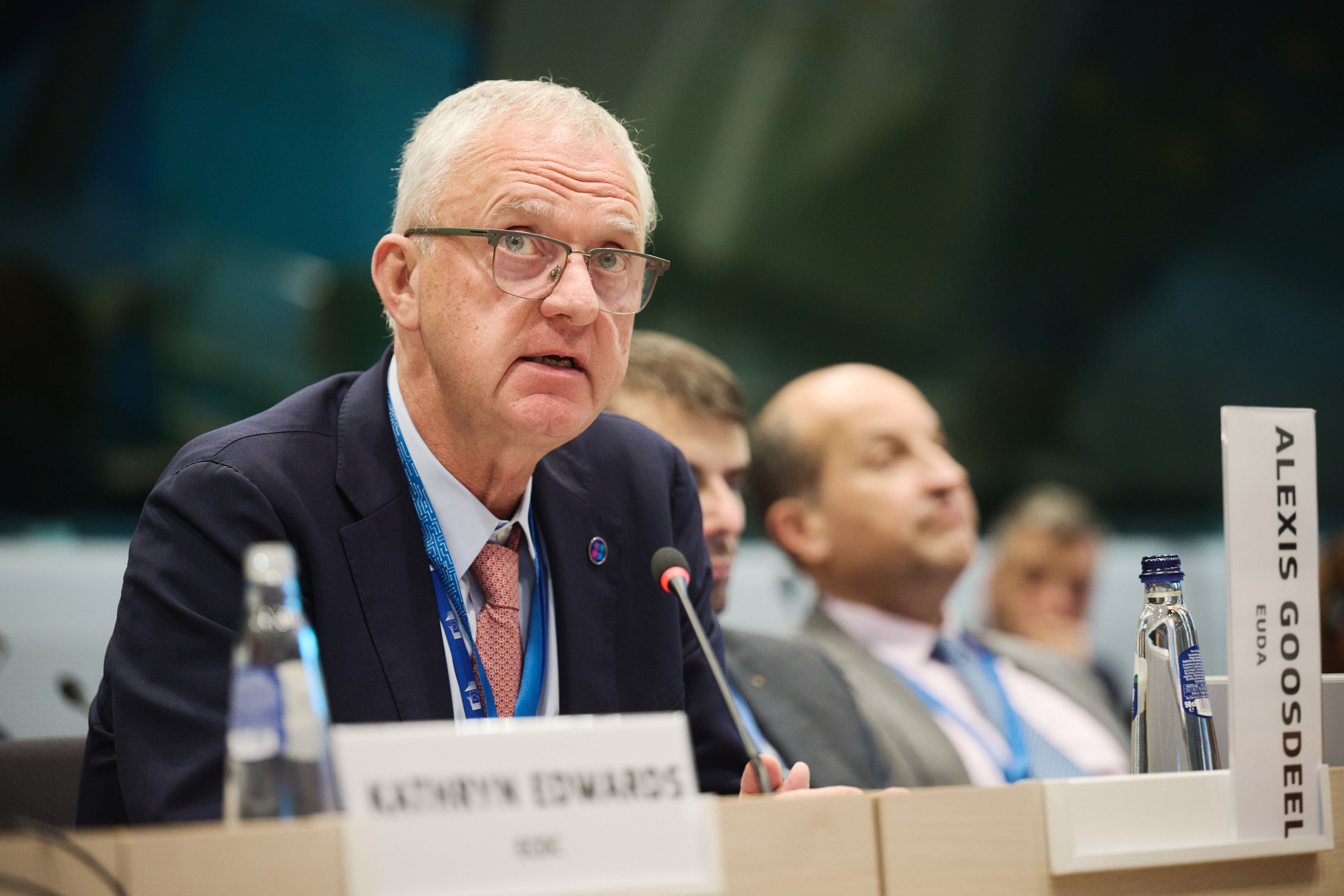
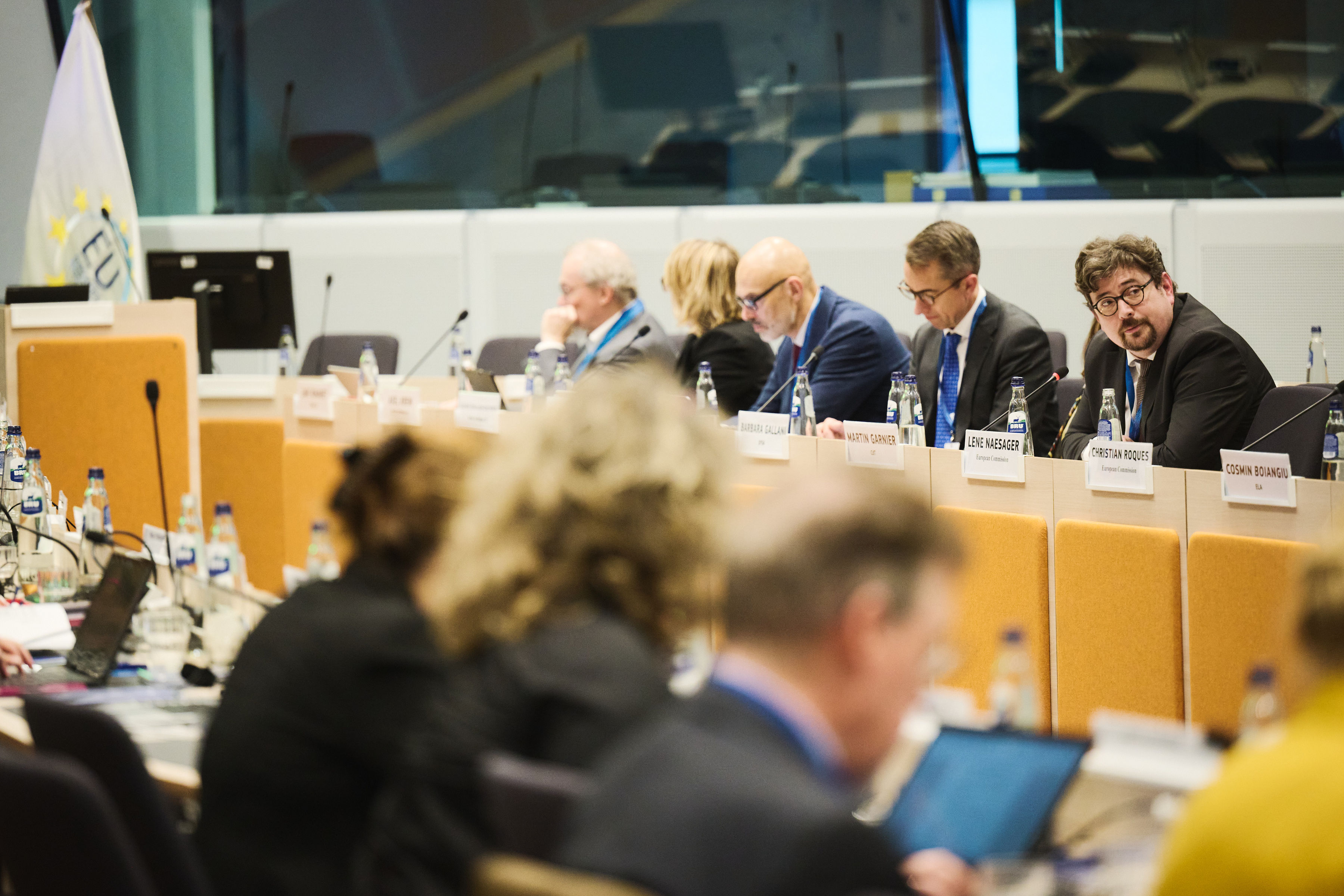
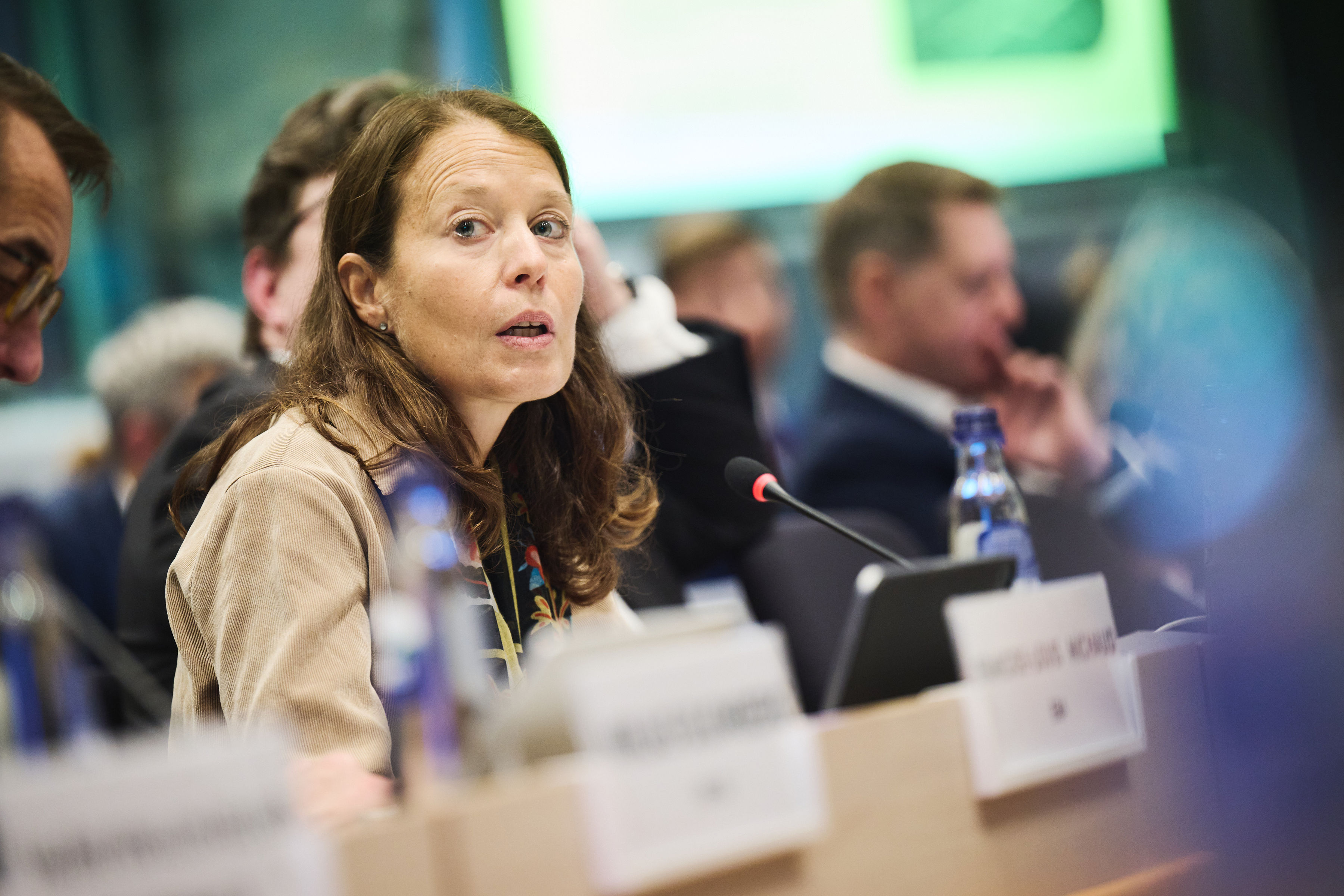
The Network is governed by two assemblies that meet at least twice a year:
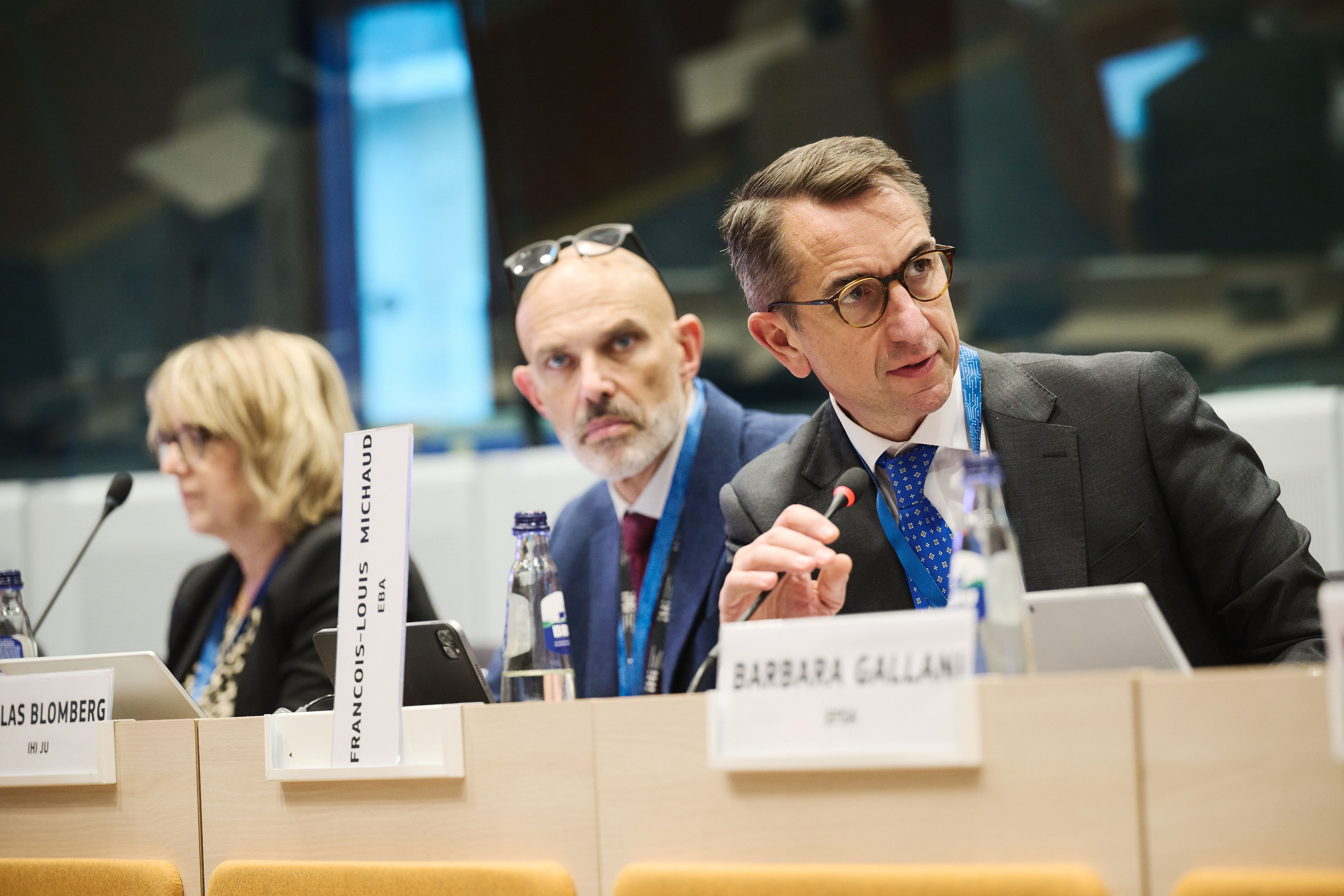
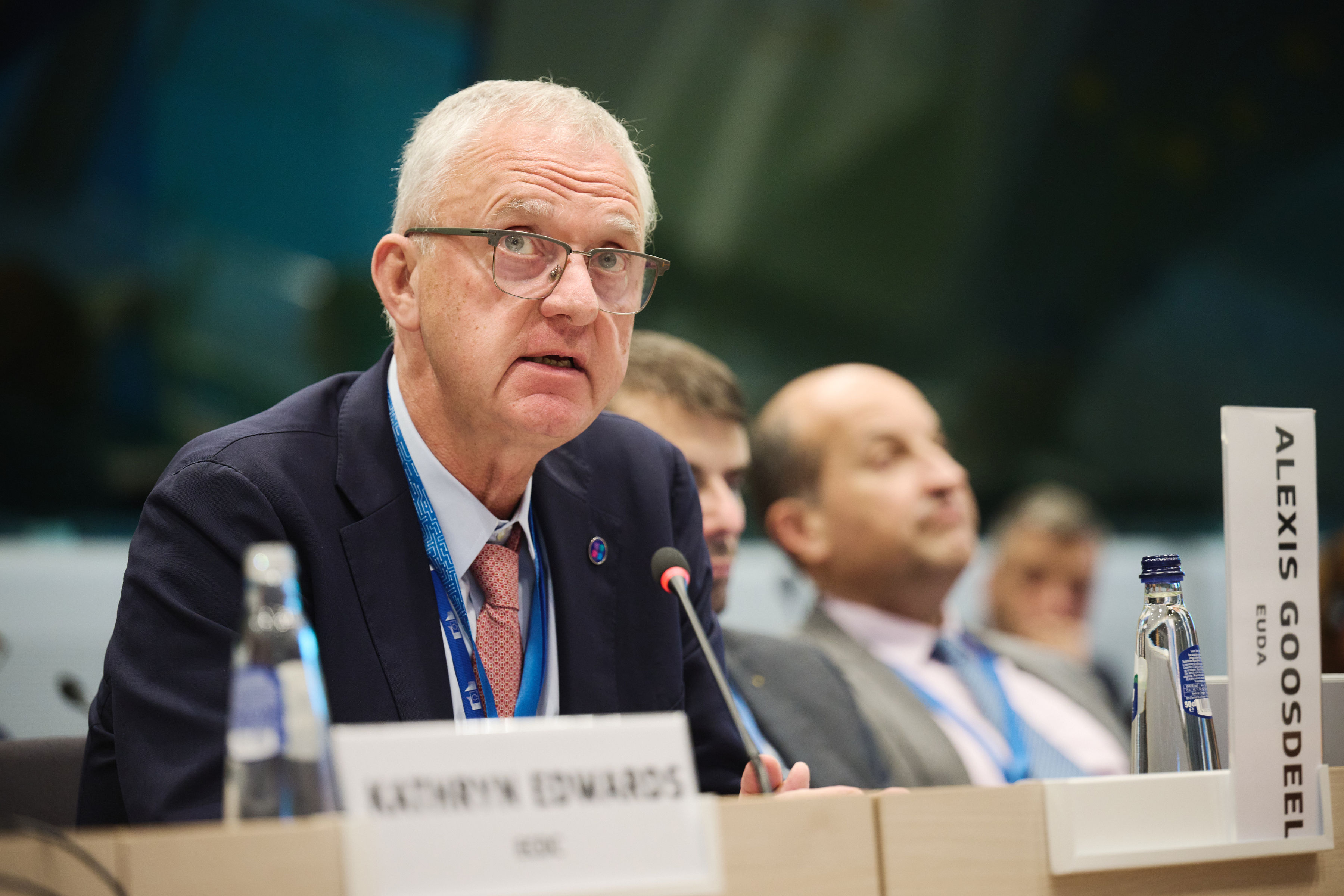
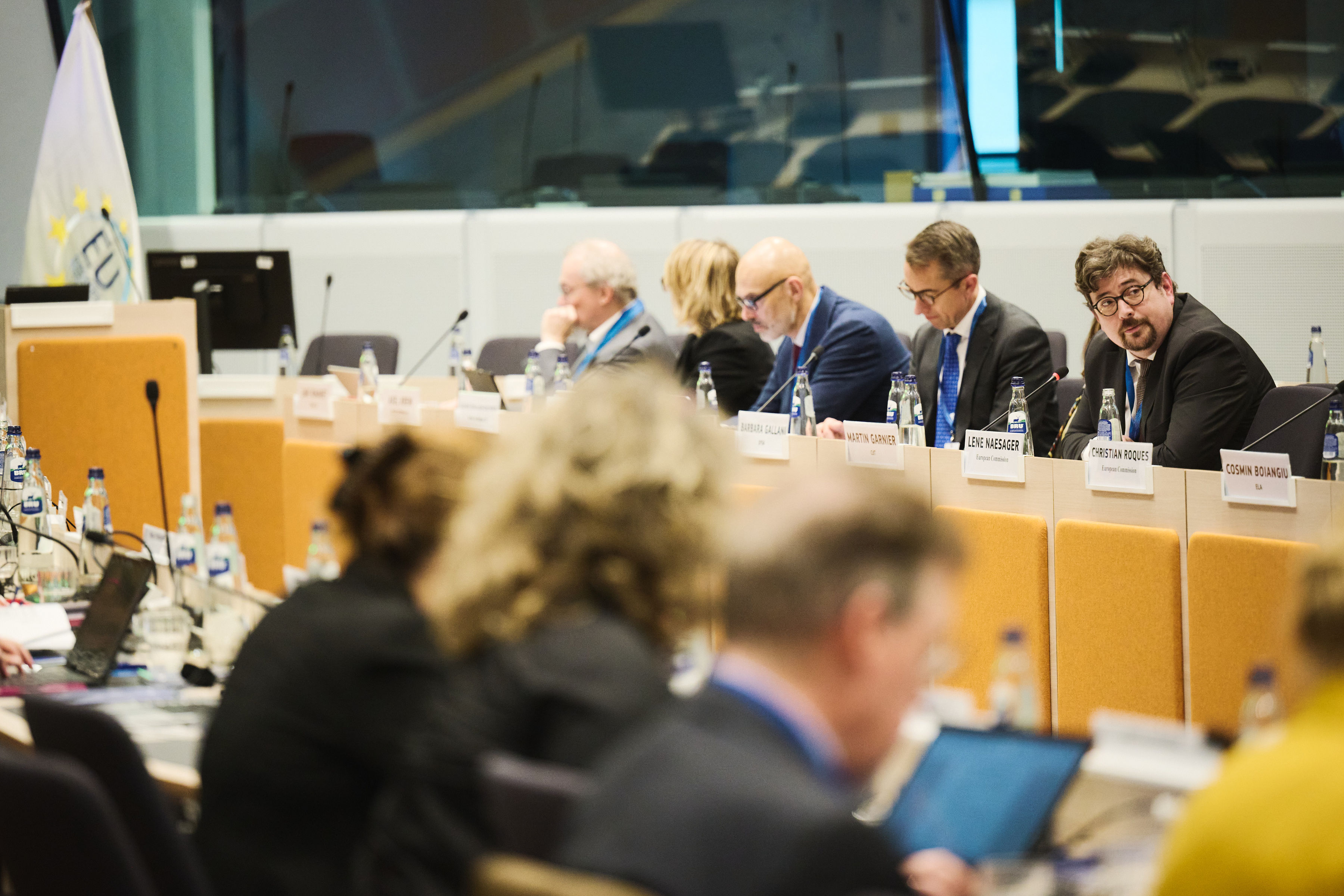
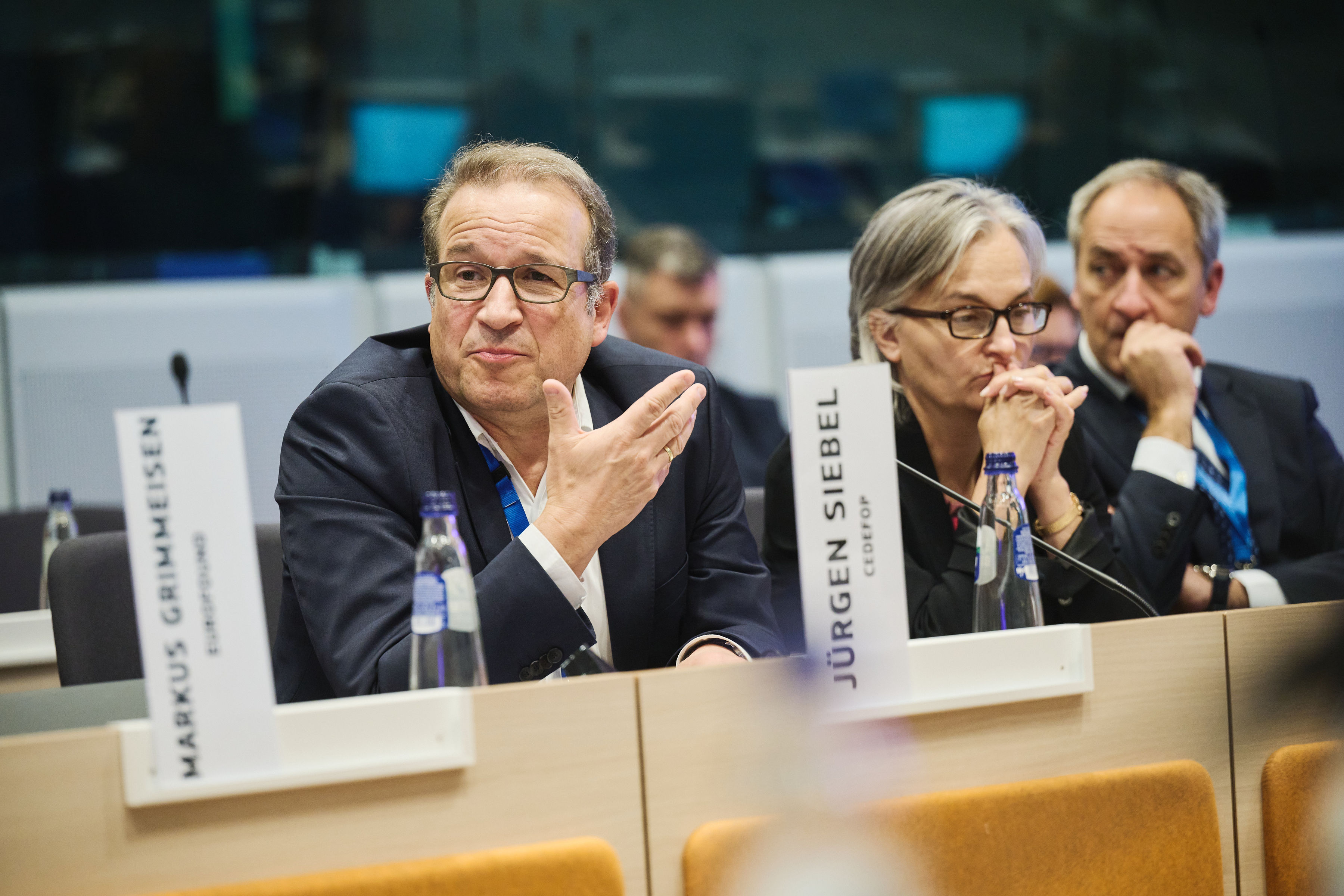
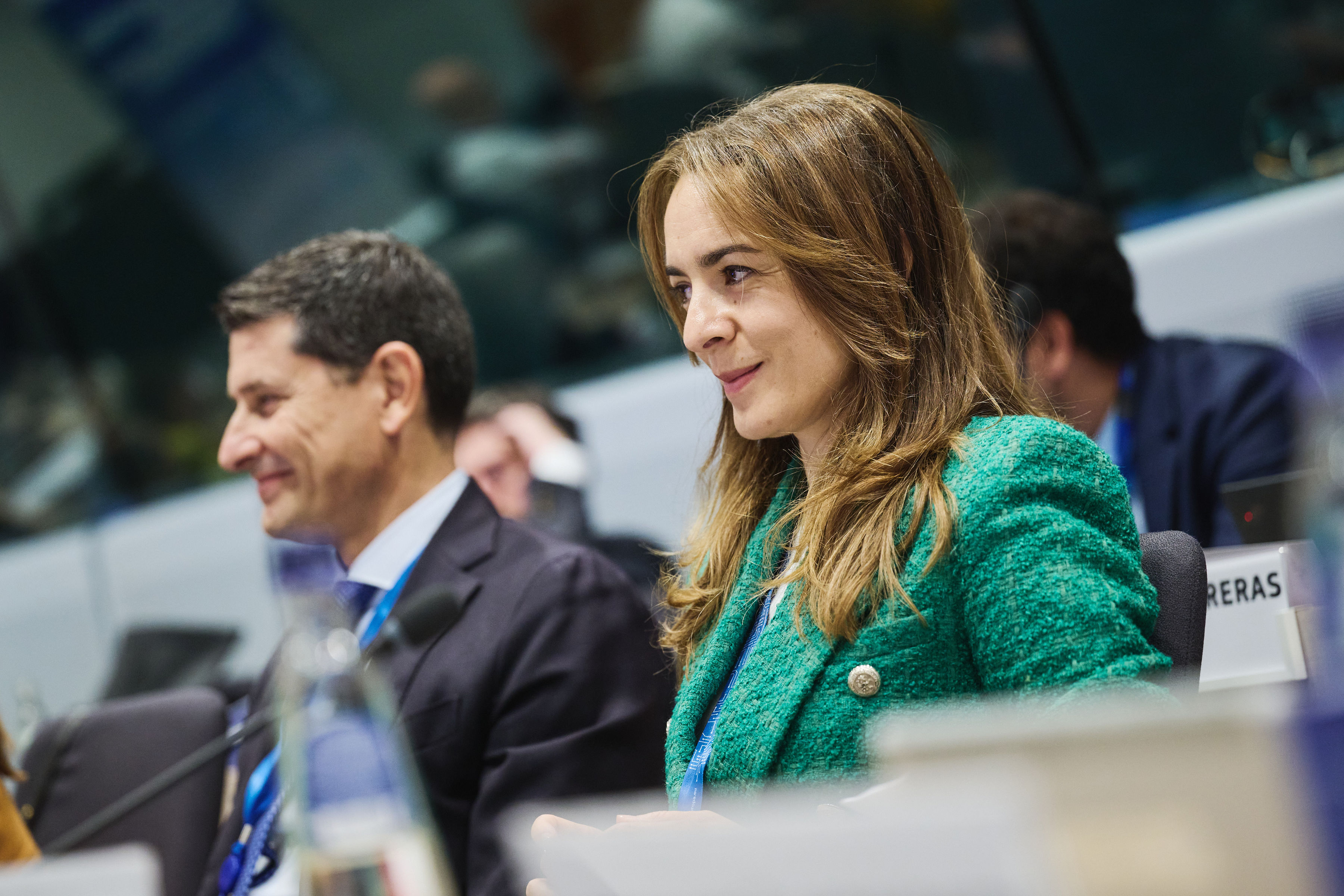
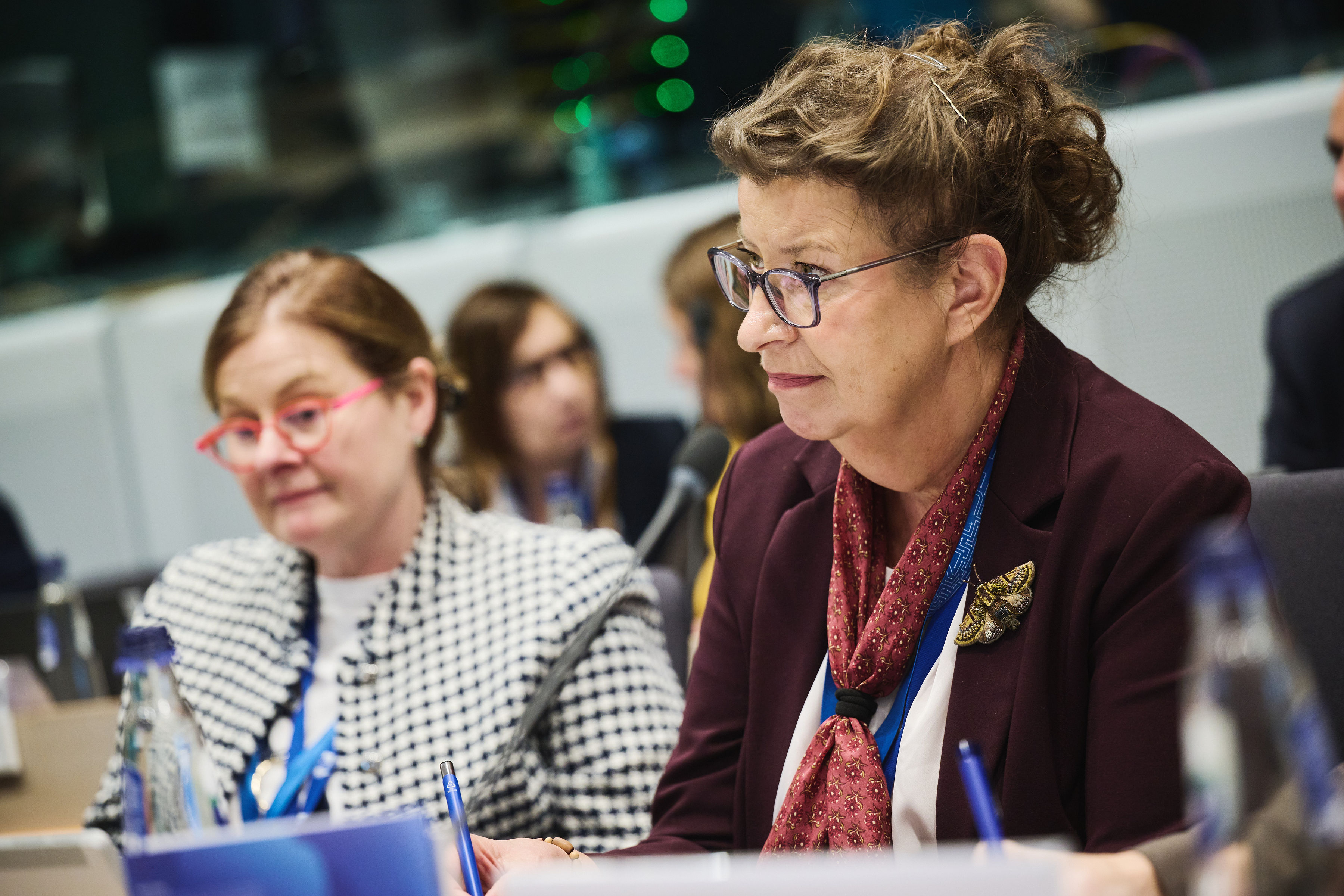
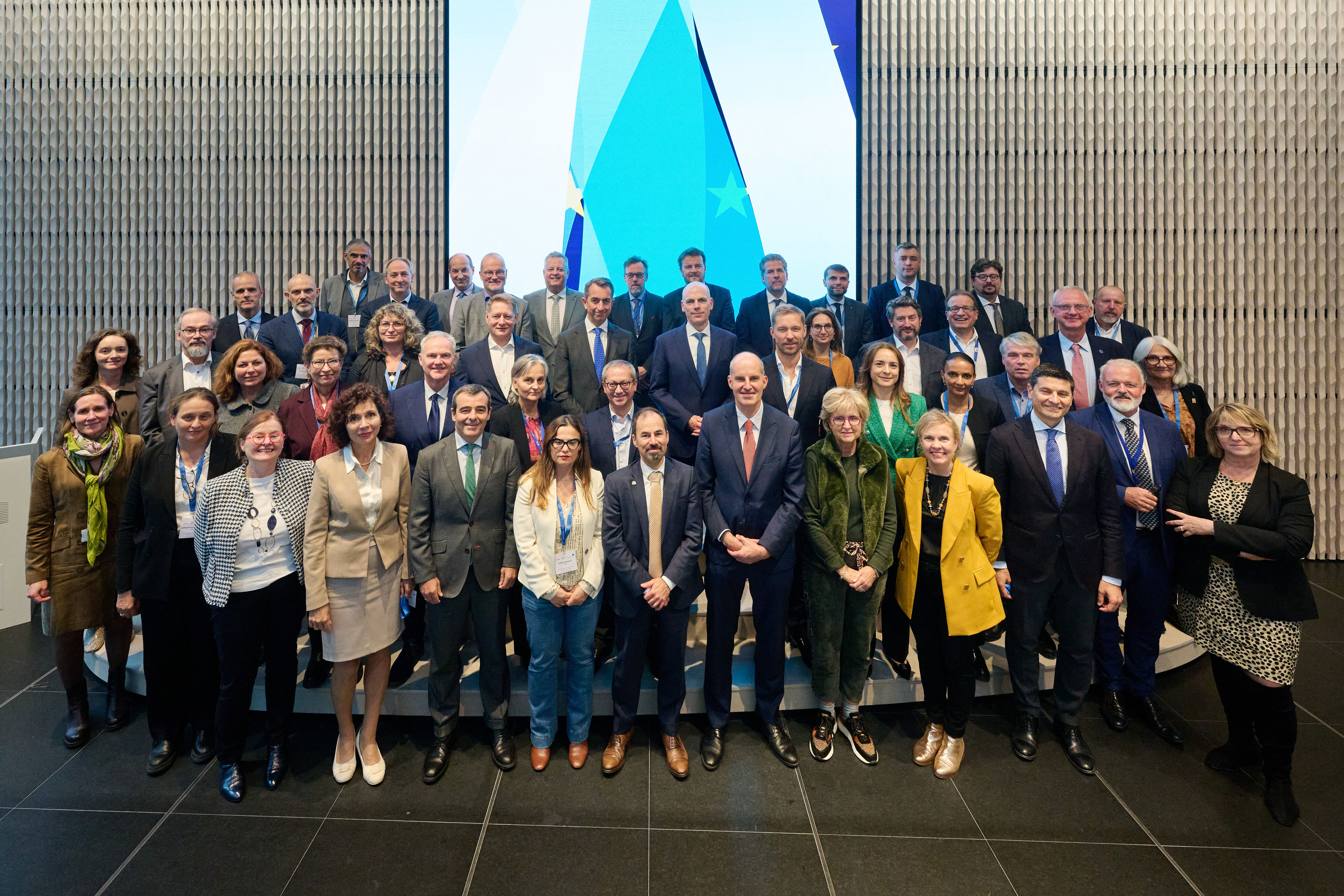
- Heads of Agencies (HoA) – provides strategic direction and adopts common positions.
- Heads of Resources (HoR) – addresses resource and operational topics to implement decisions efficiently.

23-10-2025_EUAN-Heads-of-EU-Agencies_1323-10-2025_EUAN-Heads-of-EU-Agencies_13 
23-10-2025_EUAN-Heads-of-EU-Agencies_1823-10-2025_EUAN-Heads-of-EU-Agencies_18 
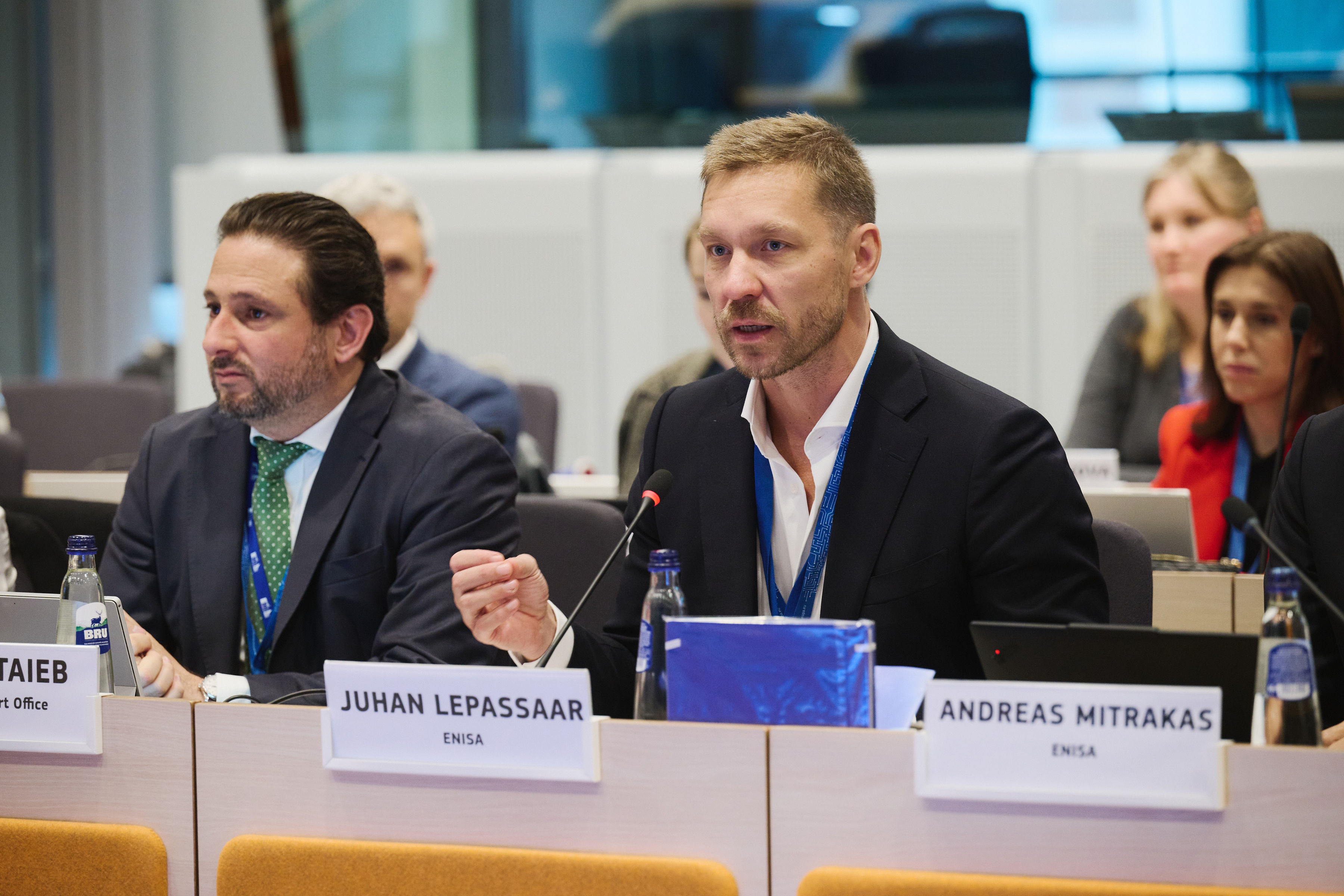
23-10-2025_EUAN-Heads-of-EU-Agencies_2723-10-2025_EUAN-Heads-of-EU-Agencies_27 
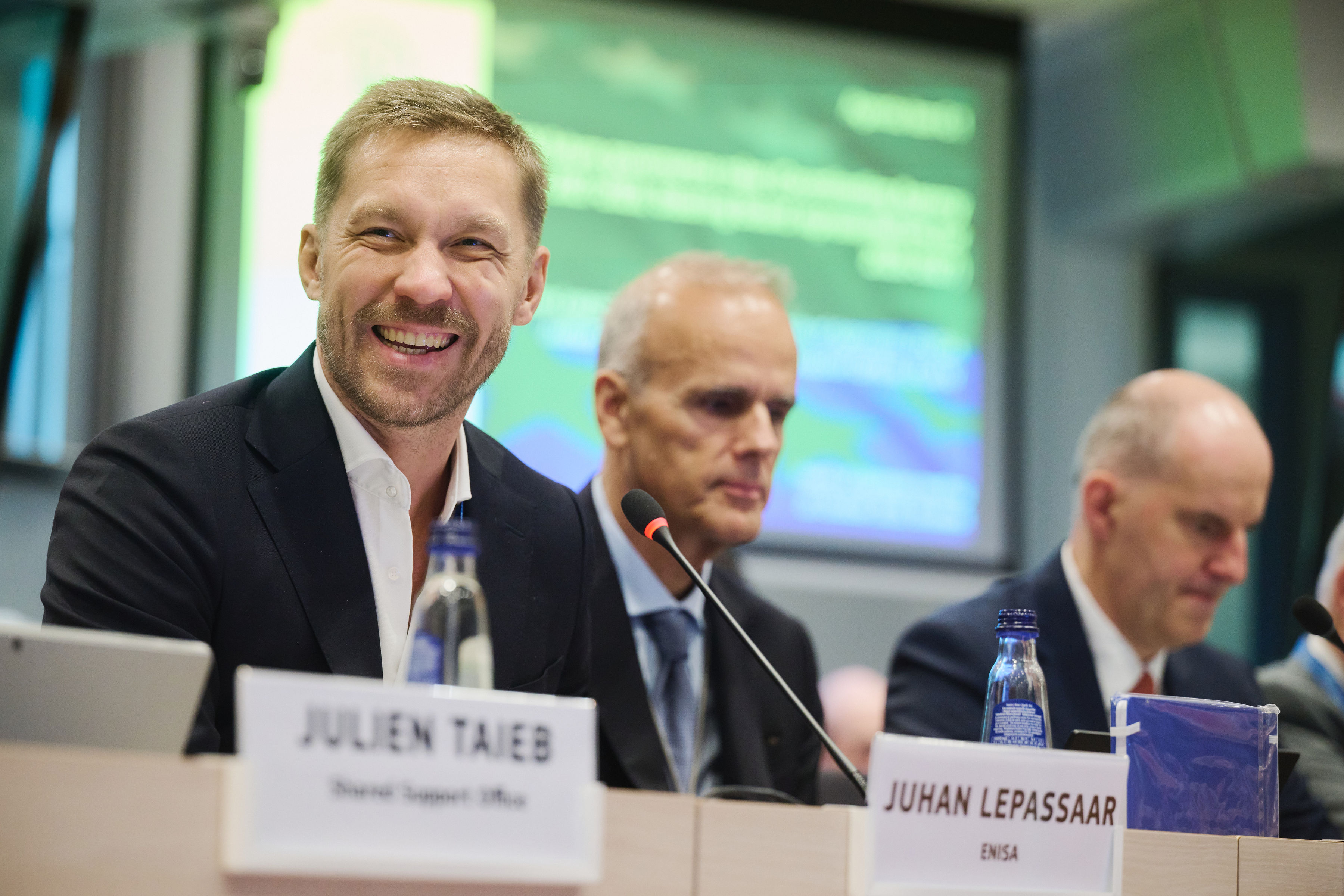
23-10-2025_EUAN-Heads-of-EU-Agencies_3323-10-2025_EUAN-Heads-of-EU-Agencies_33 
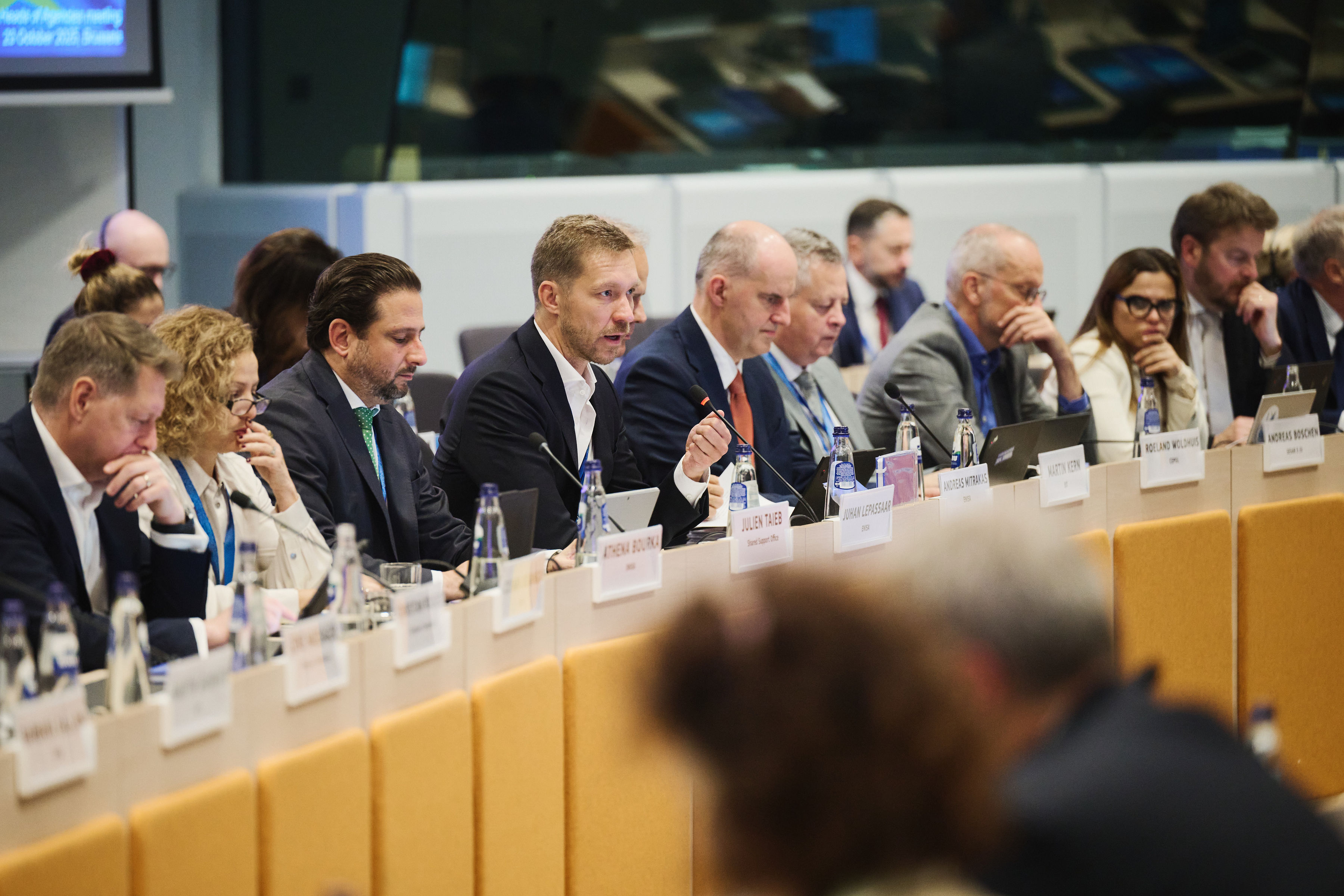
23-10-2025_EUAN-Heads-of-EU-Agencies_3523-10-2025_EUAN-Heads-of-EU-Agencies_35 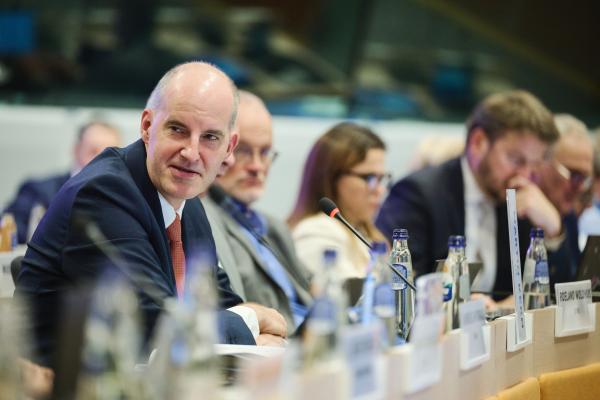
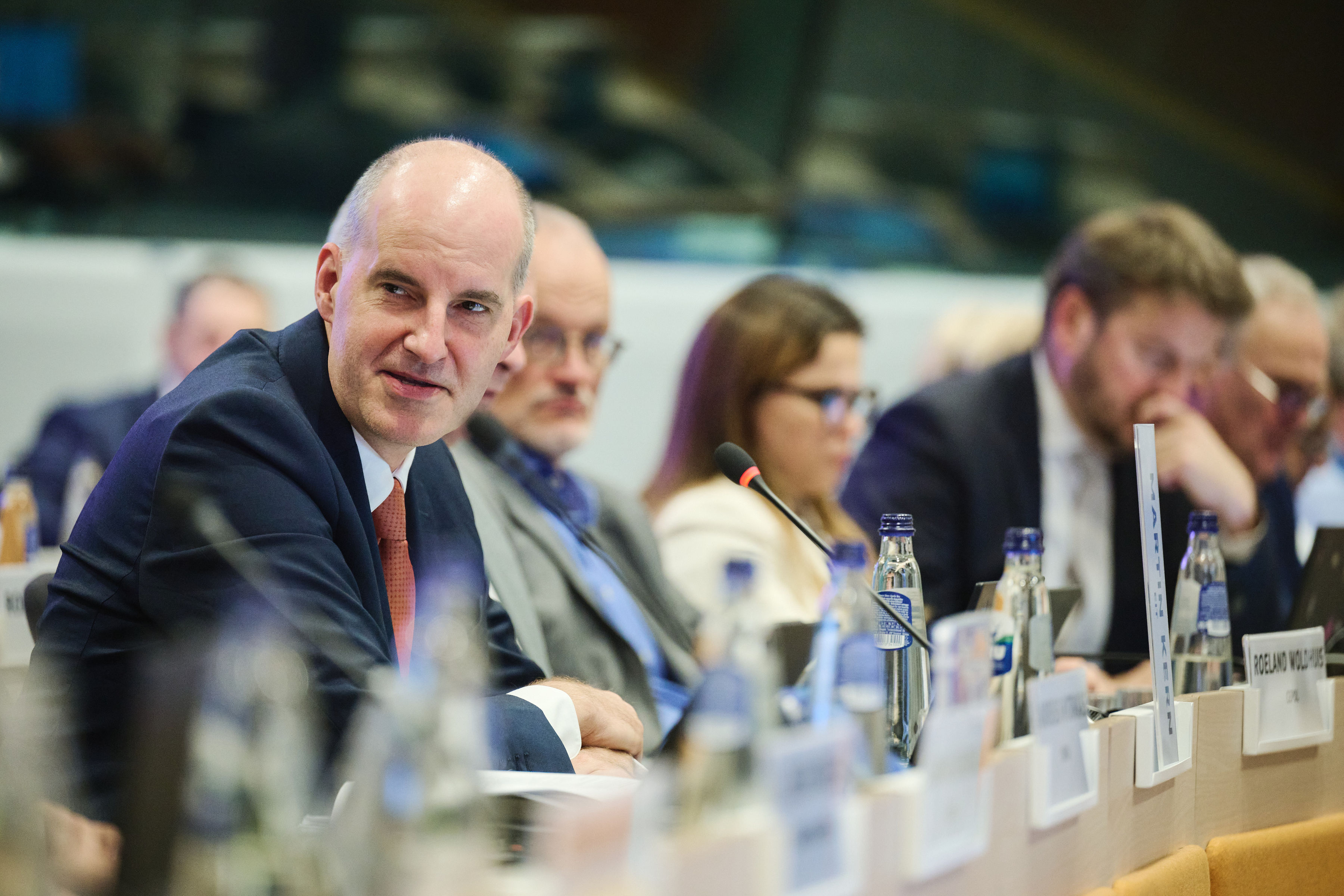
23-10-2025_EUAN-Heads-of-EU-Agencies_4323-10-2025_EUAN-Heads-of-EU-Agencies_43 
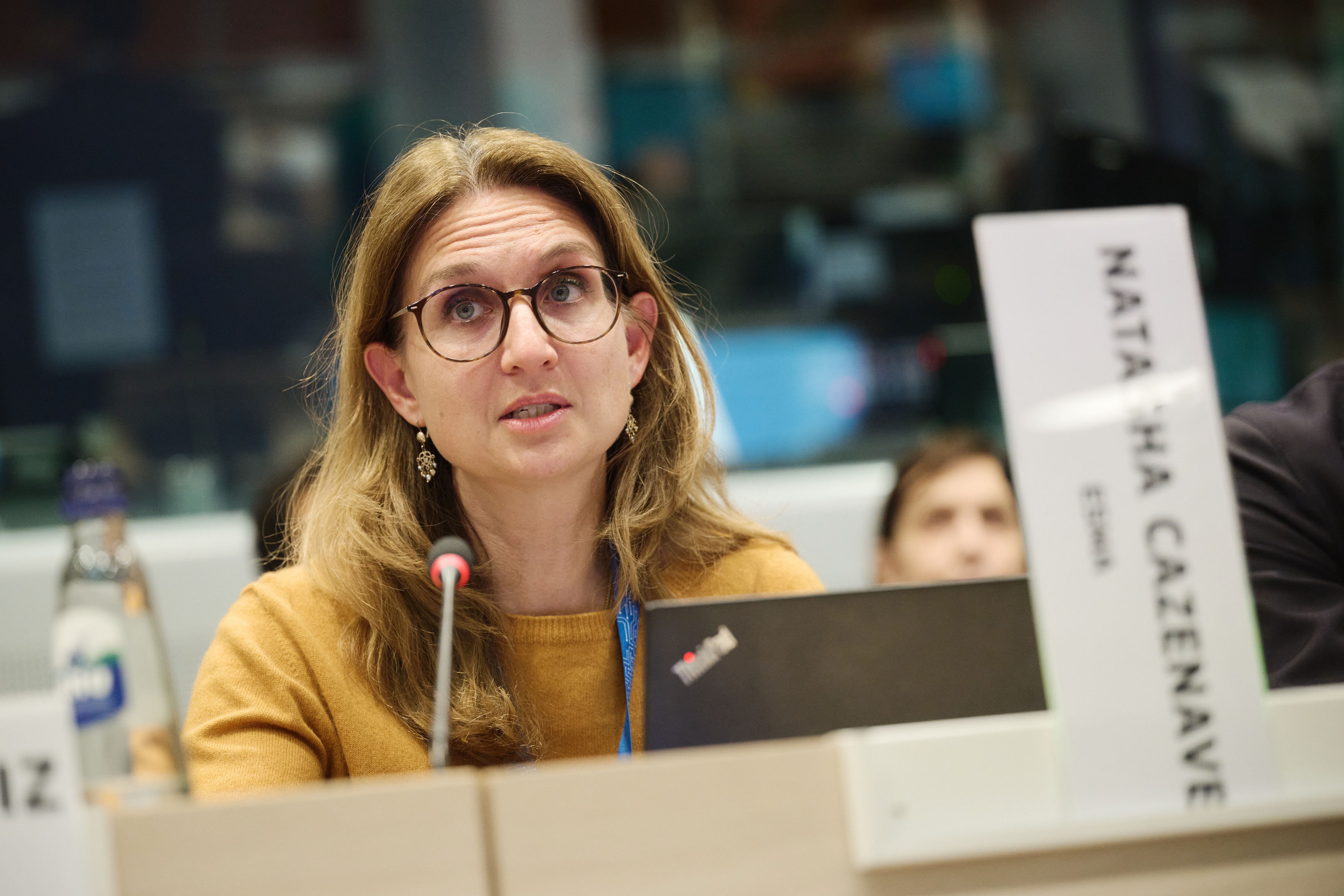
23-10-2025_EUAN-Heads-of-EU-Agencies_5523-10-2025_EUAN-Heads-of-EU-Agencies_55 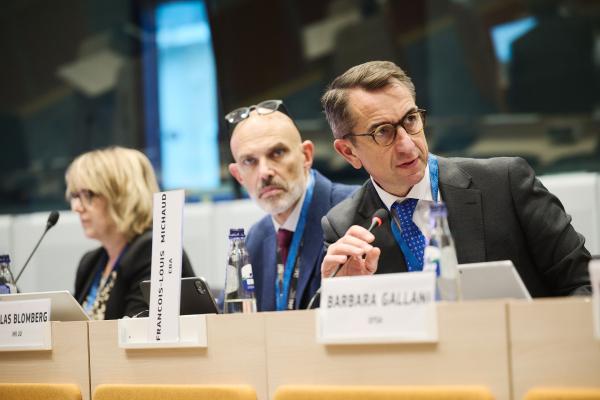
23-10-2025_EUAN-Heads-of-EU-Agencies_5623-10-2025_EUAN-Heads-of-EU-Agencies_56 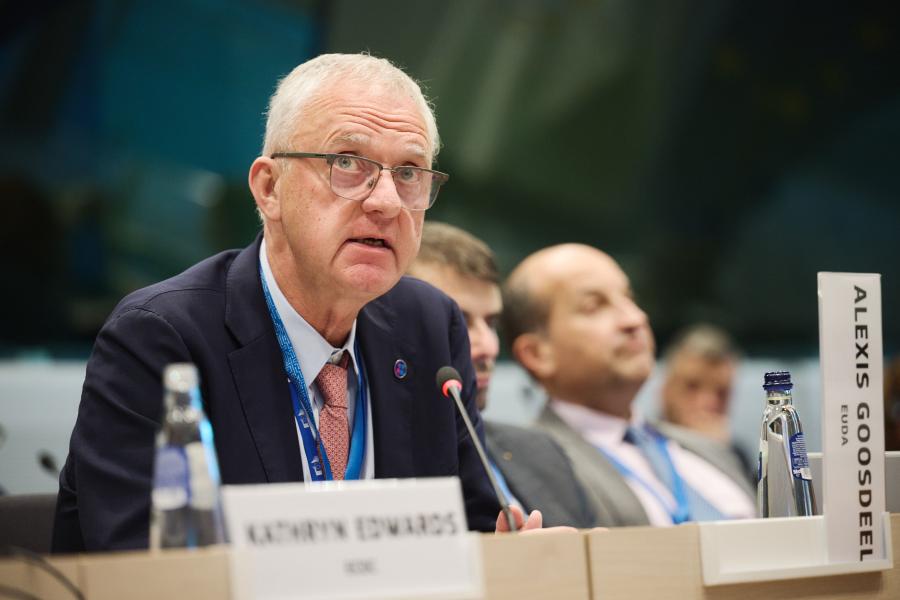
23-10-2025_EUAN-Heads-of-EU-Agencies_6223-10-2025_EUAN-Heads-of-EU-Agencies_62 
23-10-2025_EUAN-Heads-of-EU-Agencies_8223-10-2025_EUAN-Heads-of-EU-Agencies_82 
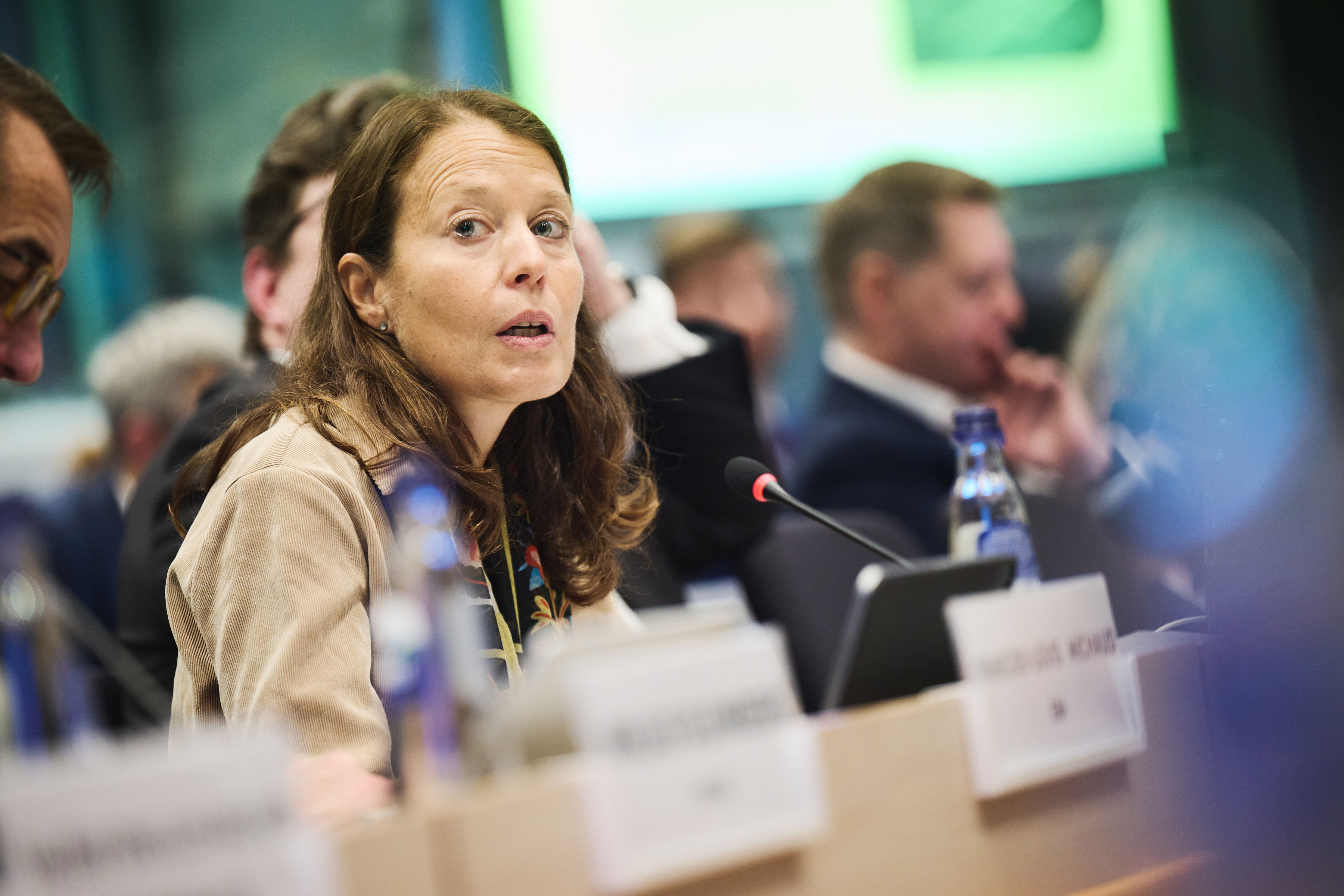
23-10-2025_EUAN-Heads-of-EU-Agencies_8423-10-2025_EUAN-Heads-of-EU-Agencies_84 
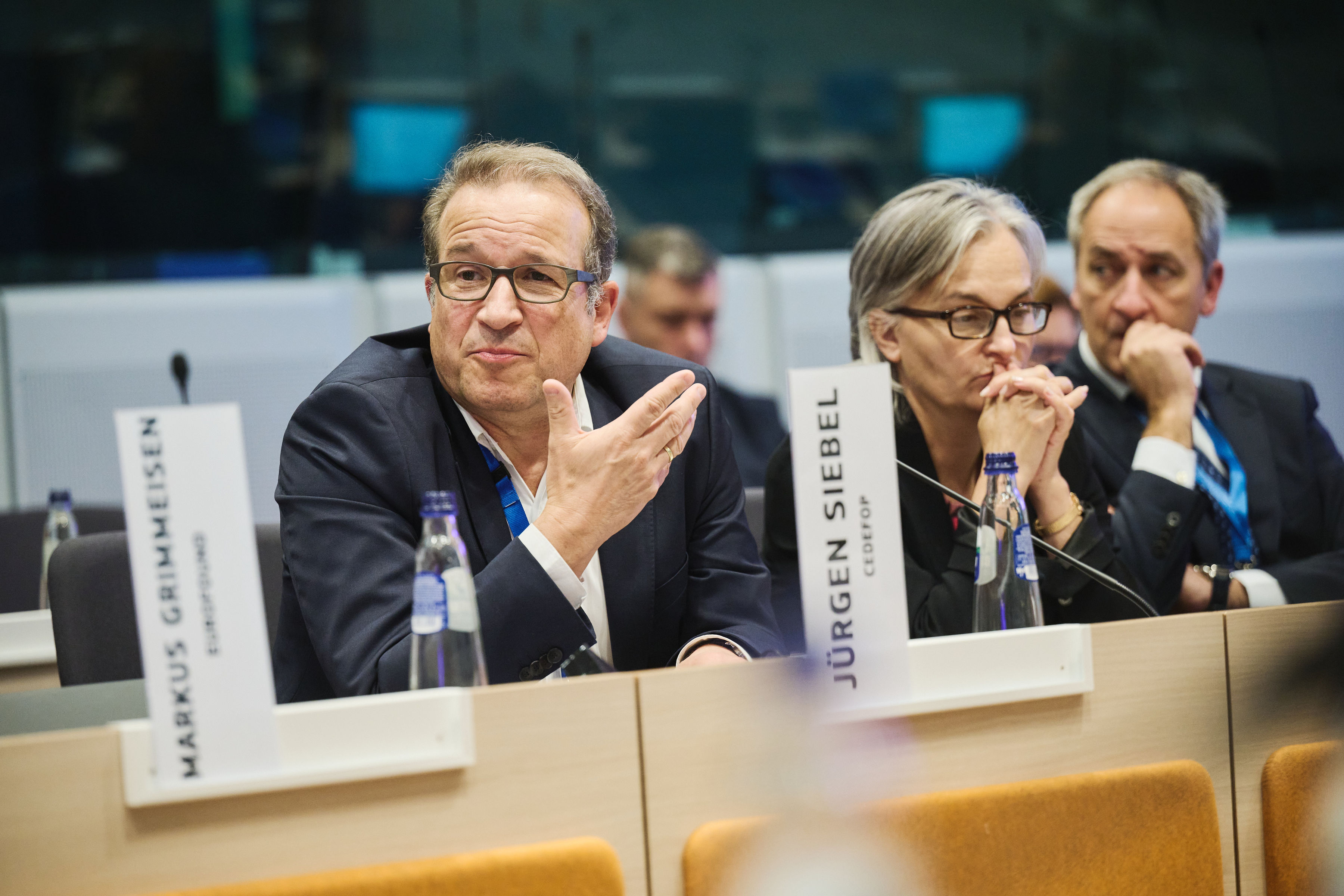
23-10-2025_EUAN-Heads-of-EU-Agencies_9123-10-2025_EUAN-Heads-of-EU-Agencies_91 
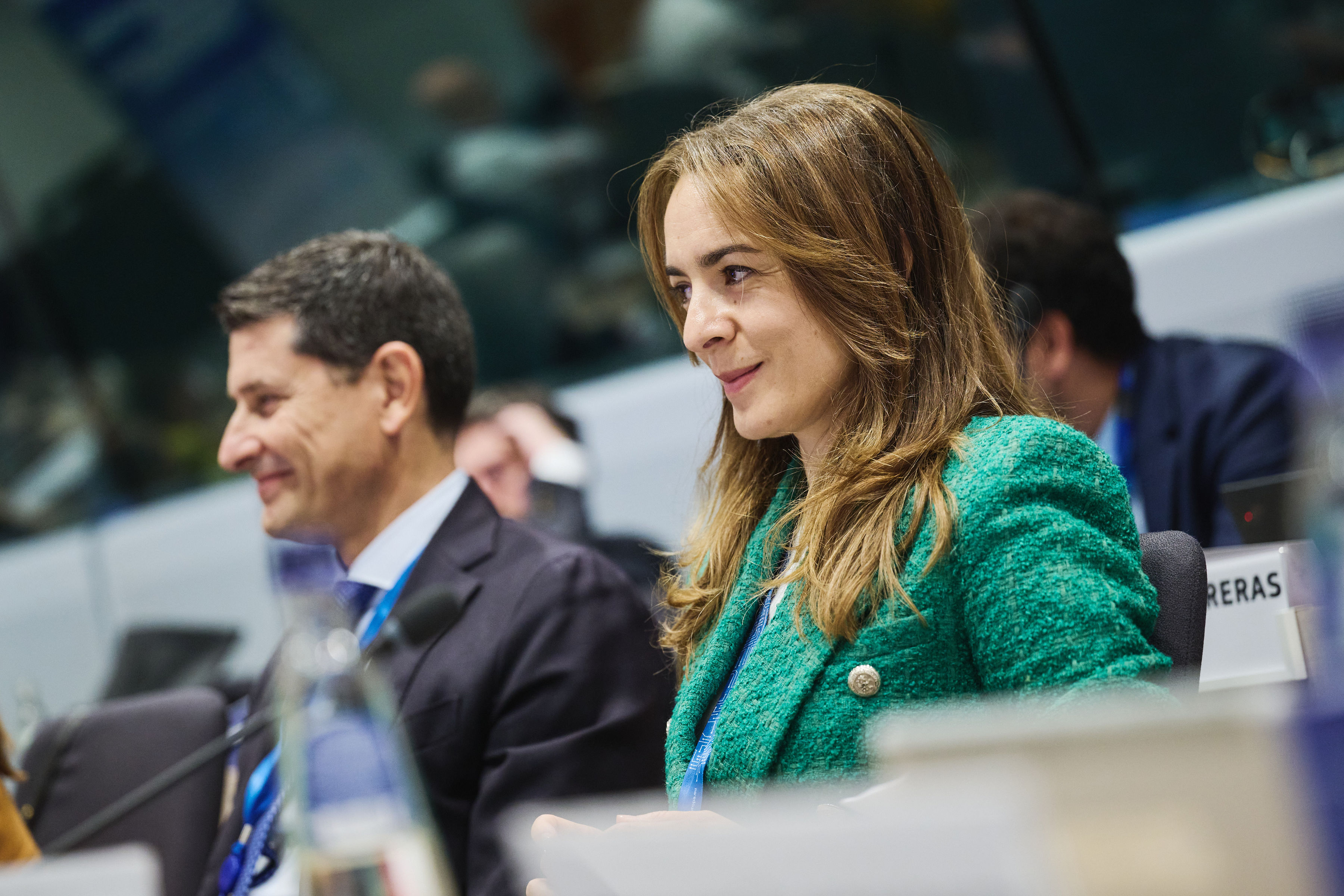
23-10-2025_EUAN-Heads-of-EU-Agencies_9523-10-2025_EUAN-Heads-of-EU-Agencies_95 
23-10-2025_EUAN-Heads-of-EU-Agencies_9923-10-2025_EUAN-Heads-of-EU-Agencies_99 
23-10-2025_EUAN-Heads-of-EU-Agencies_11423-10-2025_EUAN-Heads-of-EU-Agencies_114 
ROS_2804ROS_2804
Working bodies: how collaboration happens
Thematic Sub-Networks, Working Groups and Task Forces implement the EUAN Strategy and annual work programmes, strengthen inter-agency cooperation and produce tangible deliverables that benefit members and EU citizens.
Examples of thematic cooperation:
Shared services and joint initiatives:
- Shared Services Pilot Project – pooling resources in HR, procurement and cybersecurity for participating agencies (EIT, ENISA and EFSA).
- AI Working Group – enhance cooperation on AI activities, foster learning and best-practice exchange, and identify tangible AI use cases that deliver clear benefits.
Human resources cooperation
- HR cooperation focuses on compliance with the Staff Regulations and sharing services and expertise. Communication on HR topics is coordinated internally (working groups, task forces, ad-hoc requests) and externally with stakeholders such as DG HR, Council working parties, European Parliament committees and the European Court of Auditors.
Pillar Coordinators
Pillar Coordinators manage work in key policy areas and align activities with EUAN’s strategic priorities. They oversee activities within their designated pillar, including budget and finance, HR and legal, and EU policy support, and coordinate delivery across Sub-Networks, Working Groups, and Task Forces. Pillar Coordinators also play a key role in fostering collaboration, identifying synergies, and reporting progress to the Steering Board and the Assembly of the Heads of Agencies.
Shared Support Office (SSO)
Based in Brussels, the SSO represents the institutional memory of the Network and serves as a communication and connection hub between the EU institutions and the EUAN members, in addition to providing essential support and advisory services to the EUAN working and governance bodies.
The SSO performs the following tasks:
- coordinates the day-to-day governance of the Network under the lead of the Coordinating Agency and the Steering Board
- supports the activities carried out in thematic Sub-Networks, Working Groups and Task Forces
- maintains working relations with EU institutions and bodies.
How decisions turn into results
The strategy and priorities are set by the HoA (with input from HoR).
The Coordinating Agency, supported by the Steering Board and the SSO, organises delivery and external representation.
The Sub-Networks, Working Groups and Task Forces implement the strategy through projects and guidance, producing concrete outputs for members and citizens.
The Pillar Coordinators ensure alignment, capture synergies and report progress back to the governance bodies.